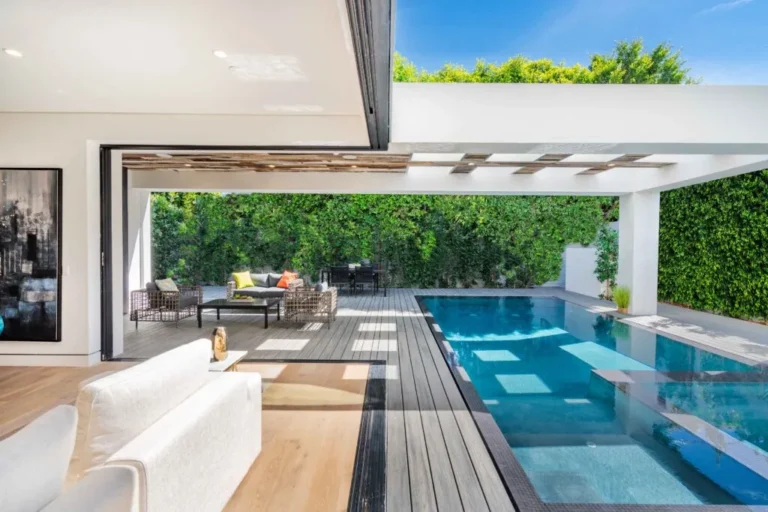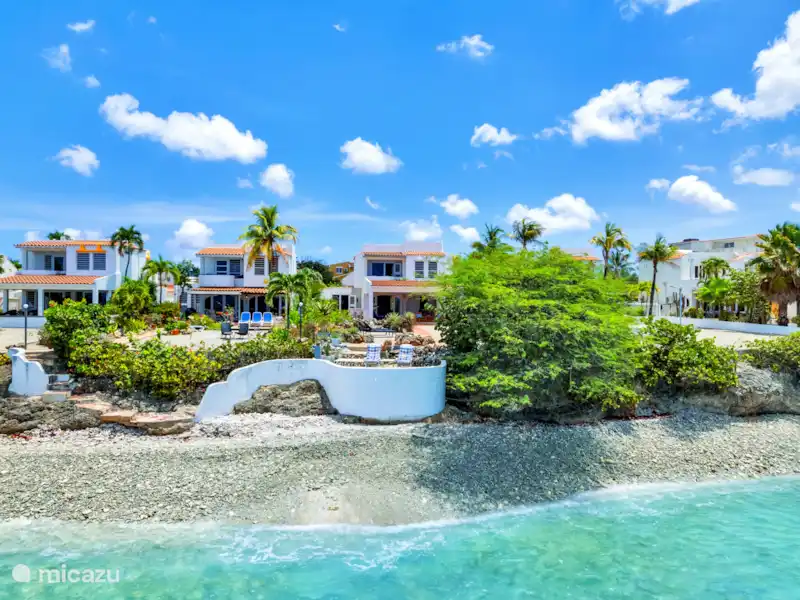
Engineering Coastal Luxury: A Technical and Architectural Study of Top Beachside Summer Villas Options
Top beachside summer villas options. The acquisition, structural evaluation, and long-term preservation of high-end coastal real estate require an analytical approach that goes far beyond aesthetic appreciation. Waterfront structural design exists at a complex intersection of environmental forces, materials science, and local regulatory mandates. When properties are built directly along the dynamic boundaries of oceans or seas, standard residential design paradigms quickly become inadequate. A villa must withstand continuous exposure to chemical weathering, high winds, and moisture while maintaining a secure, premium sanctuary for its occupants.
Evaluating high-value littoral properties requires looking beyond surface-level design elements like panoramic glazing or infinity-edge pools. The true value of a waterfront asset is determined by its hidden structural integrity, geological stability, and mechanical adaptability. If a building envelope is poorly detailed or uses substandard materials, it will degrade rapidly under the stresses of marine environments. This breakdown can introduce significant financial liability and operational friction for property owners.
Consequently, analyzing the premium waterfront sector requires an objective, cross-disciplinary framework. Different coastlines present unique challenges based on regional wave mechanics, soil conditions, and shifting local weather systems. A cliffside villa overlooking the Pacific requires a completely different approach to engineering than a low-lying estate built along the barrier islands of the Atlantic. This comprehensive study breaks down the architectural forms, material specifications, and risk profiles that define elite coastal real estate globally.
Understanding “top beachside summer villas options”
The systematic evaluation of top beachside summer villas options demands an analytical perspective that prioritizes structural resilience over marketing terminology. In the premium real estate market, properties are frequently categorized based on superficial design features such as open-air lounges or custom interior aesthetics. However, an elite oceanfront estate must be defined primarily by its capacity to withstand severe weather, isolate occupants from external sound, and integrate heavy-duty infrastructure. A villa cannot provide a true premium experience if its glass panels leak under high wind pressures or if its mechanical cooling systems corrode prematurely from salt exposure.
The Fluid Frontier Boundary
A common error in assessing high-value waterfront properties is ignoring how the house interacts with local wind and wave patterns. Buildings located directly on the coastline face constant exposure to salt spray, sand abrasion, and high solar radiation. These environmental forces cause building materials to break down at an accelerated rate compared to inland properties. If the structural envelope lacks proper protection, it can suffer from hidden water leaks, frame shifting, and rapid finish wear within just a few seasons.
Infrastructure Autonomy Requirements
Furthermore, elite shoreline villas require mechanical systems that match the standards of small boutique commercial properties rather than typical single-family homes. This infrastructure includes independent backup generators, advanced water purification setups, and zoned climate control loops designed to manage high humidity. When these heavy-duty components are missing, the building is vulnerable to frequent system failures, transforming an expensive asset into an ongoing maintenance challenge.
Historical Foundations and Environmental Adaptations of Coastal Estates
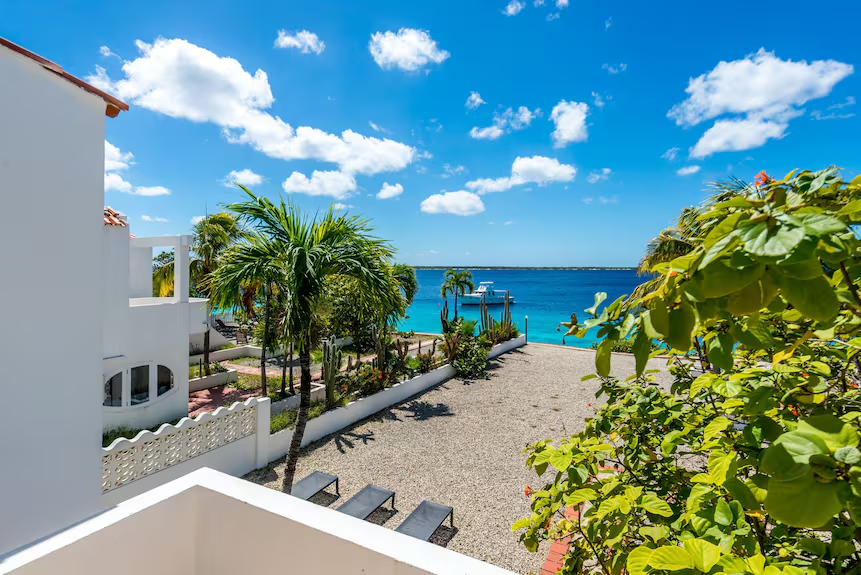
Maritime Trading Outposts and Colonial Architecture
The architectural history of high-end coastal properties developed from maritime trading outposts and early colonial settlements along major trade routes. During the seventeenth and eighteenth centuries, builders constructed seaside homes using thick brick masonry and local hardwoods to resist harsh weather. These buildings utilized deep wrap-around porches and raised foundations to encourage natural cooling and protect living spaces from tidal surges. These functional structural choices laid the groundwork for modern coastal architecture by prioritizing climate adaptation over pure decoration.
The Interwar Shoreline Renaissance
During the 1920s and 1930s, the construction of luxury coastal estates expanded along the Mediterranean and the southern coastlines of the United States. Architects adopted the Art Deco and Mediterranean Revival styles, incorporating reinforced concrete blocks, flat roof lines, and smooth stucco finishes. These designs allowed for larger windows and open floor plans that connected indoor living spaces directly with outdoor ocean terraces. This era marked a shift toward viewing the coastline as a place for leisure and health, encouraging builders to design properties that maximized exposure to sea breezes and ocean views.
Modern Engineering and Hurricane Resilience
Contemporary shoreline architecture is heavily shaped by updated international building regulations and advanced structural engineering practices. Modern oceanfront villas are designed as fully fortified systems capable of withstanding severe tropical storms and seismic activity. Engineers utilize concrete columns reinforced with epoxy-coated steel rebar, high-velocity impact glass assemblies, and sustainable composite building materials. These advanced materials allow for striking modern designs with wide open spaces while ensuring long-term structural durability against harsh coastal forces.
Analytical Frameworks and Engineering Assessment Models
To evaluate if a waterfront property can maintain its value and function over time, asset managers rely on specialized engineering models. These frameworks help quantify how environmental factors impact building materials and structural stability.
The Material Degradation Index (MDI)
The Material Degradation Index is an engineering model used to calculate how quickly exterior surfaces will break down when exposed to salt spray and high UV radiation. This framework analyzes the specific metal alloys, paints, and wood treatments used throughout the property’s exterior.
A limitation of the MDI model is that it requires continuous on-site sensor data to accurately predict wear patterns across different microclimates.
The Hydraulic Surge and Erosion Forecasting Matrix
This framework evaluates a property’s safety by analyzing historical tidal data, beach erosion rates, and projected storm surge levels. It determines the necessary foundation depth and piling elevation required to keep the main living spaces safely above wave action during severe storms. Properties that do not match these calculated safety limits face a higher risk of structural foundation undermining or significant lower-level flooding during major weather events.
The Thermodynamic Vapor Boundary Model
This model analyzes how effectively a villa’s exterior walls and air conditioning systems prevent humid, salt-laden outside air from seeping into air-conditioned interior living zones.
An optimal score requires a completely sealed vapor barrier combined with a positive-pressure HVAC system. This configuration pushes dry air outward, preventing humid sea air from entering wall cavities and causing structural mold or insulation breakdown.
Architectural Typologies and Regional Structural Formats
High-performance oceanfront villas feature distinct architectural styles and structural configurations depending on their geographic location and local environmental pressures.
Mediterranean High-Mass Estates
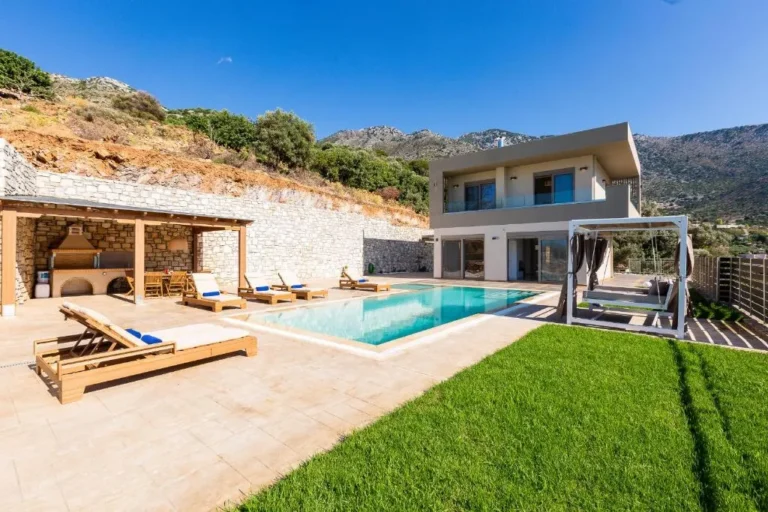
Common along the rugged coastlines of Spain, southern France, and Italy, these villas use thick limestone walls and heavy clay tile roofs. This high-mass construction style provides excellent insulation, absorbing daytime solar heat and releasing it slowly during cooler evening hours. While these stone structures are highly durable, their thick walls can block wireless communication signals, requiring property managers to install wired network cabling and access points throughout the home.
Pacific Rim Cantilevered Pavilions
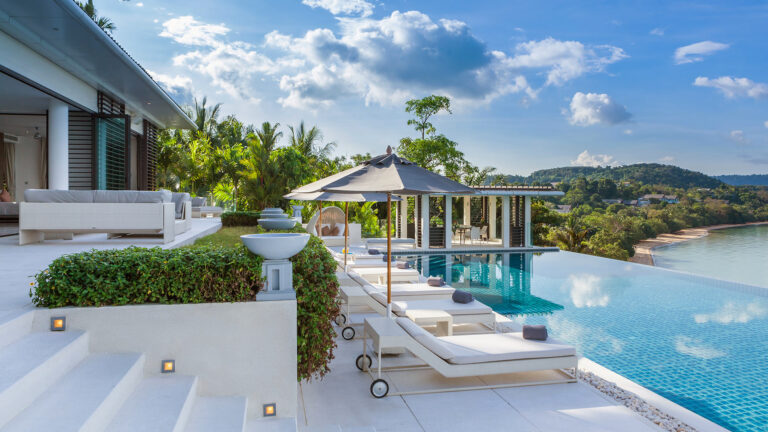
Dominant along the coastlines of California, Hawaii, and parts of Southeast Asia, these properties emphasize open views through large glass walls and minimalist structural steel frames. To safely build on steep ocean bluffs, engineers anchor these homes into subterranean bedrock using deep foundation tie-back rods. These villas use advanced engineering to balance visual elegance with seismic and landslide protection, making them highly resilient against shifting land conditions.
Atlantic Barrier Island Villas
Found along the eastern coast of the United States and the Caribbean, these homes are elevated on wood or concrete pilings to allow storm surges to pass harmlessly underneath. The exterior walls are finished with high-durability composite siding that resists moisture rot and wind-driven sand abrasion. These properties rely heavily on impact-resistant glass window assemblies and automated storm shutters, ensuring the building envelope remains secure during intense tropical storms.
Tropical Open-Air Pavilions
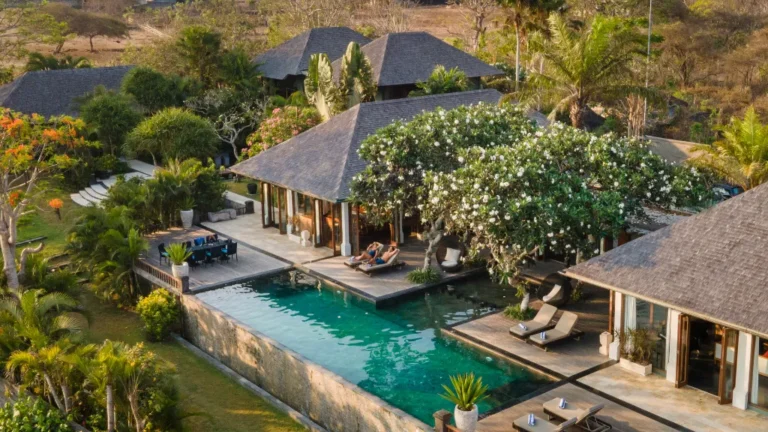
Situated in equatorial regions like Bali and the Costa Rican coast, these villas feature open floor plans designed to maximize natural cross-ventilation. They are built using treated native hardwoods, thatch, or zinc roofing materials that can handle heavy seasonal rainfall without leaking. These properties focus on shading and natural airflow to keep interior spaces comfortable, reducing the need for continuous mechanical cooling while requiring regular maintenance to protect wood elements from humidity and insects.
Operational Scenarios, Failure Modes, and Environmental Responses
Analyzing how waterfront properties perform under real-world conditions highlights the close connection between building engineering, property management, and environmental changes.
Scenario A: The Northern Atlantic Winter Storm Exposure
A property owner maintains a premium shingle-style villa on the coast of Nantucket, using it as a multi-generational summer retreat.
-
Systemic Constraints: The home features classic wood cedar shingles and is exposed to freezing temperatures and high winds during winter storms.
-
Operational Decision Point: The owner must decide whether to install an automated exterior freshwater rinse system or rely on manual springtime cleaning to remove salt buildup from the walls.
-
Operational Failure: The owner chooses manual cleaning. During a severe winter season, salt water penetrates behind cracked cedar shingles, freezing and expanding within the wall cavities.
-
Second-Order Outcomes: The expanding ice damages the underlying moisture barrier, leading to extensive mold growth inside the walls that requires stripping the home’s exterior down to the framing for repairs.
Scenario B: The Southern Tropical Hurricane Event
A luxury rental villa located on the beachfront of the Florida Keys faces a category four tropical storm during the late summer season.
-
Systemic Constraints: The concrete property is elevated on pilings and features automated hydraulic storm shutters over large glass windows.
-
Operational Decision Point: The local management team must decide whether to run a full diagnostics test on the backup generator and shutter systems before the storm arrives or rely on standard scheduled maintenance logs.
-
Operational Failure: The team skips the pre-storm check. During the storm, a minor electrical fault prevents two critical ocean-facing shutters from closing fully, leaving the large glass windows exposed to flying debris.
-
Second-Order Outcomes: Floating debris breaks the exposed windows, allowing high winds to enter the home. This sudden pressure drop rips away part of the ceiling drywall and forces water into the living spaces, resulting in expensive interior renovation costs.
Cost Engineering, Lifecycle Expenditures, and Resource Capital Layouts
Operating a top-tier property within the selection of top beachside summer villas options requires a clear understanding of the unique financial demands driven by continuous environmental exposure.
Direct Operating Expenses vs. Long-Term Structural Maintenance
Direct operating costs include specialized property insurance, regular window cleanings, and utility bills for high-capacity cooling systems. Long-term structural maintenance focuses on preventing salt and moisture from weakening the building’s concrete and metal elements. Regular maintenance tasks, such as replacing sacrificial zinc anodes on ocean steps or applying protective sealants to metal joints, help extend the lifespan of exterior structures.
Marine Insurance and Risk Underwriting Realities
Insuring high-value oceanfront properties requires navigating complex risk assessments by specialized insurance providers. Underwriters often demand detailed engineering reports confirming the presence of impact-rated windows, storm-tested roof connections, and elevated mechanical systems. Deductibles for wind and water damage in coastal areas are usually calculated as a percentage of the property’s total structural value, meaning owners must hold significant financial reserves to cover potential storm repairs out of pocket.
Technical Assemblies, Subsurface Engineering, and Specialist Networks
Protecting a premium beachfront property from structural failure requires using advanced construction materials and working with specialized technical experts.
Advanced Metallurgy and Fastener Engineering
Standard construction fasteners will corrode rapidly when exposed to salty air and high humidity. High-performance coastal properties use Grade 316 Stainless Steel or silicon bronze fasteners for all exterior wood connections, metal framing joints, and door hardware. These specialized alloys include molybdenum, a chemical addition that prevents surface pitting and micro-cracking caused by chloride ions in seawater.
Advanced Exterior Coatings and Vapor Barriers
Modern waterfront properties rely on multi-layered exterior wall systems designed to repel liquid water while allowing internal moisture vapor to escape. Builders apply hydrophobic acrylic stucco finishes over heavy-duty rubberized vapor barriers. This arrangement prevents driving rain and sea spray from entering the building’s wooden framework while allowing internal wall condensation to evaporate naturally, preventing structural wood rot.
Specialized Coastal Professional Services
Managing an oceanfront estate requires working with a network of specialized professionals rather than a typical residential maintenance team. Property operations rely on coastal engineers to track beach erosion patterns, marine structural experts to maintain docks and seawalls, and specialized HVAC technicians who understand the air filtration systems needed to keep salt and sand out of sensitive interior living zones.
Comprehensive Risk Taxonomy and Environmental Degradation Pathways
The combination of shifting sands, ocean waves, and high summer temperatures creates a unique set of structural risks for premium waterfront homes.
Mechanics of Galvanic Corrosion in Exterior Structures
Galvanic corrosion occurs when two different metals make direct contact in a humid, salty environment, creating a tiny electrical circuit. If an exterior railing uses aluminum posts secured with standard steel bolts, the contact points will corrode rapidly. This chemical reaction weakens the metal connections over time, risking structural failure long before any damage becomes visible on the surface.
Subsurface Undermining and Foundation Sand Shift
Beachfront homes built on sand dunes face the constant threat of subsurface erosion caused by changing tides and storm waves. If the foundation columns are not driven deep enough into stable underlying soil layers, shifting sands can leave the concrete pillars exposed and unsupported. This foundation movement can cause the entire building frame to shift, leading to cracked walls, jammed doors, and potential structural failure.
Asset Governance, Predictive Maintenance, and Long-Term Adaptation
Preserving the functionality and value of premium waterfront estates requires shifting from reactive repairs to predictive maintenance schedules.
Predictive Inspection Schedules
Advanced property management teams use thermal cameras and structural drones to catch building issues before they cause system failures. Technicians inspect roof lines, window flashing, and lower foundation pillars to find hidden moisture leaks or concrete cracks. Addressing these minor issues early prevents water damage inside the walls, avoiding the need for expensive emergency repairs during peak summer rental weeks.
Measurement Metrics, Systems Verification, and Historic Property Logs
Property managers use both qualitative and quantitative indicators to track and evaluate the physical health and readiness of an oceanfront workspace.
Leading vs. Lagging Performance Indicators
A lagging indicator tracks a failure after it has occurred, such as recording total spending on structural repairs. A leading indicator monitors system performance to prevent those failures, such as tracking changes in air pressure across air conditioning filters. Monitoring pressure levels allows maintenance teams to clean filters before sand blocks airflow, protecting expensive cooling equipment from unnecessary wear.
Verified Property Logs and Asset Tracking
Every maintenance task, component replacement, and structural inspection should be logged within a secure digital building management system. These entries track specific material codes, equipment model numbers, and the names of the technicians who performed the work. Keeping an unedited history of property care protects the asset’s long-term market value and proves its operational readiness to future buyers and occupants.
Example System Maintenance Logs
-
Log Entry 312: Cleaned and treated all exterior window seals along the oceanfront facade. Replaced two worn rubber gaskets and verified proper alignment.
-
Log Entry 354: Conducted non-destructive testing on lower concrete support columns. Core readings show normal density levels with zero salt crystallization at reinforcement depth.
-
Log Entry 388: Replaced sacrificial zinc anodes on the lower boat lift frame. Current consumption rates match standard seasonal erosion models.
Deconstructing Industry Misconceptions and Oceanfront Structural Myths
The promotional language used for luxury waterfront rentals often spreads several misconceptions that can lead to poor property management and investment decisions.
The Myth of Permanent Seawall Protection
A common mistake in waterfront property management is assuming that a concrete seawall solves all beach erosion issues permanently. While seawalls block direct wave impacts, they also redirect wave energy downward and sideways. This redirected force can wash away sand from the base of the wall and adjacent shorelines, eventually undermining the wall itself and requiring expensive structural upgrades.
The Myth of Low-Maintenance Composite Materials
Many builders advertise modern composite decking and siding as completely maintenance-free options for coastal homes. While these materials resist moisture rot better than natural wood, they still collect salt crusting, sand dust, and surface mold over time. Without regular freshwater rinses, salt accumulation can dry out and scratch protective finishes, reducing the lifespan and appearance of the material.
Socio-Environmental Dynamics, Zoning Laws, and Land Use Ethics
Building and operating large seasonal properties can introduce unique environmental and social challenges to fragile coastal communities.
Disruption of Coastal Sand Movement
When massive villa foundations are built directly on open sand dunes, they anchor a landscape that naturally needs to shift and move. This structural interference blocks the natural movement of sand along the coast, which can increase erosion on neighboring beaches. Responsible modern developers use open concrete or steel piling foundations that allow wind and water to move sand naturally beneath the building structure.
Compliance with Coastal Commission Regulations
As environmental protection agencies introduce stricter rules around shoreline development, premium properties face close regulatory review. Many coastal municipalities enforce specific restrictions regarding building footprints, setback lines, and dune preservation. Property managers must stay fully compliant with these changing rules to avoid severe fines, legal issues, and potential construction shutdowns.
Strategic Synthesis of High-Performance Shoreline Assets
Successfully selecting or managing a property within the selection of top beachside summer villas options requires balancing architectural vision with disciplined engineering practices. These beautiful oceanfront estates offer an incredible setting for seasonal relaxation, but their long-term value and safety depend entirely on the strength of their underlying infrastructure. From the initial foundation deep-piling design to ongoing exterior seal maintenance, every detail must be planned to handle harsh marine environments smoothly.
True luxury in a waterfront home is found beneath the surface finishes, built directly into the building’s structural joints, material choices, and climate barriers. By selecting high-grade marine alloys, planning for utility independence, and keeping strict predictive maintenance schedules, these properties can easily handle intense environmental forces while protecting individual comfort and security. When elegant design and smart engineering work together perfectly, a premium villa becomes far more than a temporary vacation escape; it stands as a resilient, high-performance asset built to endure for generations.