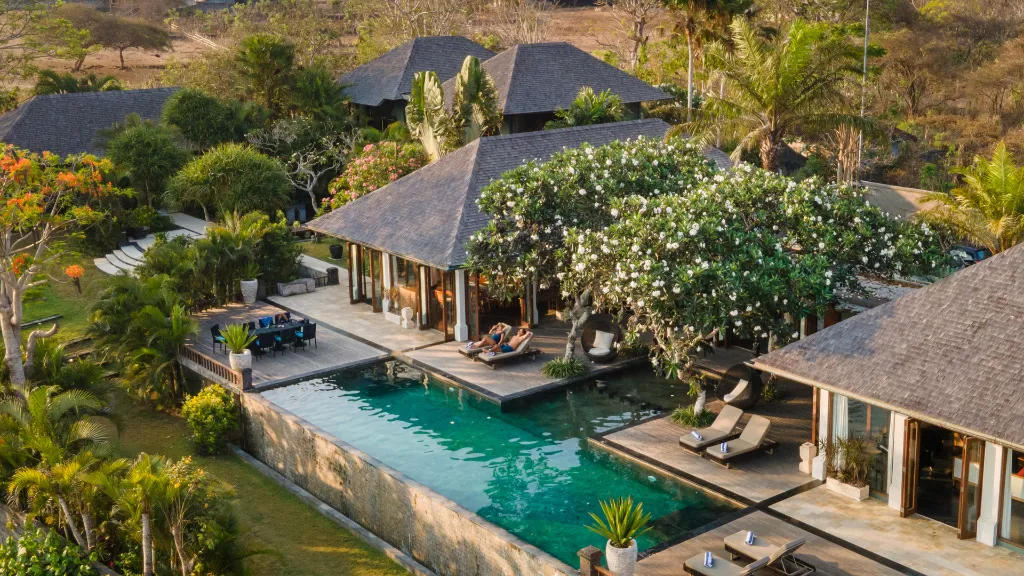
Engineering Spatial Infrastructure for High-Performance Offsites: Architectural Selection Criteria
Best summer villas for corporate retreats. The procurement, logistical orchestration, and structural assessment of corporate offsite facilities demand analytical methodologies that stray significantly from standard hospitality evaluation. Properties engineered to handle high-density professional occupancy require specialized spatial planning to simultaneously foster collective alignment and deep individual focus. These institutional compounds must balance the technical requirements of enterprise operations with the restorative physical features of premium seasonal architecture. Consequently, any comprehensive architectural exploration within this vertical must evaluate structural acoustics, network resilience, and human spatial dynamics.
To optimize the selection matrix for high-performing corporate assets, enterprise operational teams must look past the superficial lifestyle marketing found in consumer luxury travel media. Best summer villas for corporate retreats. The programmatic success of an executive gathering depends on specific spatial relationships, acoustic isolation metrics, and microclimatic zone optimization. Early procurement choices regarding property typography heavily influence team focus, informational security risks, and overall group operational friction during the stay. Every physical component, from local cellular signal penetration to localized interior airflow, must be evaluated through a framework of peak group productivity.
In the contemporary organizational ecosystem, securing large-scale professional retreats involves navigating complex data privacy, legal indemnity, and localized infrastructural limitations. International data regulations, corporate compliance mandates, and remote physical security requirements are increasingly restrictive for high-profile executive boards. Simultaneously, the specific architectural typologies required to host intensive knowledge work while maintaining individual personal privacy remain scarce globally. Engineering an ideal environment under these institutional constraints requires moving past basic hospitality reviews toward real-world performance metrics.
Understanding “best summer villas for corporate retreats”
Dismantling the Luxury Vacation Home Concept
To systematically employ a strategic manual on the selection of the best summer villas for corporate retreats, procurement managers must look past consumer vacation definitions. Within enterprise facilities planning, a valid corporate asset represents a highly structured workspace disguised as a residential estate. The core objective is not relaxation or unmapped leisure, but the seamless execution of complex collective knowledge work. This specialized function requires strict acoustic isolation between meeting spaces and sleeping quarters, advanced local power grids, and distinct spatial boundaries.
The Thermodynamics of Group Knowledge Work
A primary mistake in executive compound planning stems from selecting properties that handle low-density family occupancy well but fail under intense group dynamics. The presence of twenty or more active professional minds changes how indoor air masses interact with heat, CO2 levels, and relative humidity.
When a conference space is filled for an eight-hour strategic session, the local building envelope must manage indoor air quality without distracting noise. Therefore, successful structural planning prioritizes advanced high-volume displacement ventilation, low solar heat gain glass panels, and zoned climate controls.
Evaluating Remote Digital Infrastructure
Furthermore, corporate retreat assets must be analyzed as fully independent information technology environments rather than simple, scenic residential homes. High-end strategic thinking relies completely on secure wireless networks, local data encryption safeguards, and uninterrupted satellite backup lines.
When inspecting a potential site, logistics teams must review these hidden technological networks with the same scrutiny given to foundation stability. This total technical perspective ensures that sensitive enterprise strategy sessions remain safe from signal drops, local grid failures, or physical surveillance vulnerabilities.
Deep Contextual Background: The Architecture of Corporate Alignment

The Transition from Private Lodges to Corporate Alignment Centers
The historical growth of dedicated seasonal properties for corporate alignment was driven by modern corporate decentralization, knowledge work specialization, and globalized operations. During the mid-twentieth century, early industrial conglomerates purchased private hunting lodges and mountain estates as perks for senior executive teams.
These early corporate properties expanded rapidly as international markets demanded faster alignment across remote regional offices. This corporate transformation changed simple seasonal retreats into permanent, high-tech compounds designed specifically to support complex organizational planning.
The Impact of Early Professional Design Templates
As corporate retreats grew more mathematically complex, early organizers relied on specific architectural design patterns published by institutional builders. These early layouts moved facility design away from uniform hotel corridors toward separated residential pods centered around large, shared working areas.
The integration of early teleconferencing equipment, central printing centers, and zoned soundproofing required thicker wall profiles and dedicated utility paths. These early design improvements laid the groundwork for modern corporate building science, where premium architecture is optimized for group productivity.
Navigating Contemporary Corporate Performance Standards
By the early twenty-first century, the development of high-performance seasonal assets had evolved into a specialized branch of corporate real estate engineering. The introduction of high-speed satellite downlinks, digital encryption barriers, and biometric access controls changed how corporate compounds interacted with security threats.
Architects were forced to design buildings that could shield highly confidential executive conversations while providing a restorative, open natural environment. This history shows that a modern corporate villa is a specialized asset requiring careful physical and technical planning.
Conceptual Frameworks and Executive Cognitive Mental Models
The Cognitive Load Spatial Optimization Model
This framework views a corporate retreat villa as a changing mental environment that alternates between intense analytical focus and deep psychological recovery. Standard corporate offices rely on constant, sterile lighting and predictable desk rows to maintain uniform output over long days.
Conversely, a seasonal corporate villa must use its natural surroundings, architectural variations, and natural light to reduce executive stress. This model helps designers arrange meeting spaces near natural elements, which keeps cognitive fatigue low during long strategy sessions.
The Spatial Propinquity Matrix
Derived from environmental psychology, this model calculates how physical distances between room clusters affect organic interactions among team members. A corporate villa built with scattered, isolated bedroom pods encourages private rest but can reduce informal, spontaneous collaborative conversations.
The matrix allows procurement teams to select properties that strike an ideal balance between individual personal space and shared open areas. By analyzing this structural data, corporate planners can avoid layouts that leave teams feeling disconnected or socially exhausted.
The Information Security Friction Matrix
This operational framework measures the physical, electronic, and logistical security measures needed to protect proprietary data at a remote site. Properties located in busy public tourist areas face physical surveillance risks that can compromise confidential corporate files or strategy boards.
The matrix helps planners choose properties with natural physical barriers, restricted entry points, and clear lines of sight around the perimeter. This detailed analysis ensures that sensitive executive planning can occur without risking corporate espionage or data leaks.
Key Categories, Spatial Typologies, and Regional Operational Variations
Coastal Maritime Executive Compounds
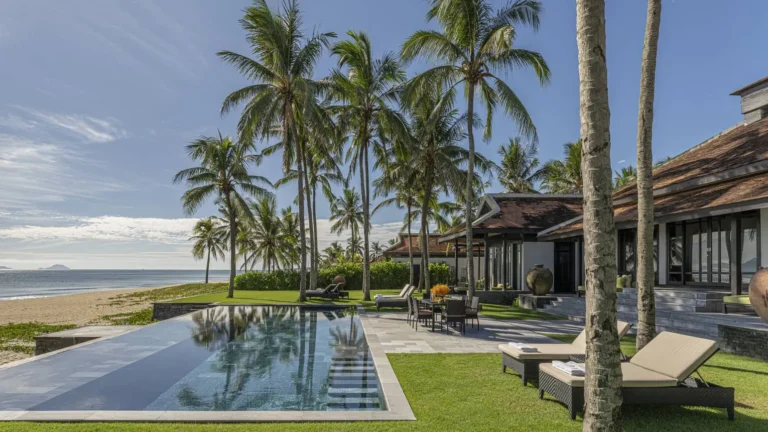
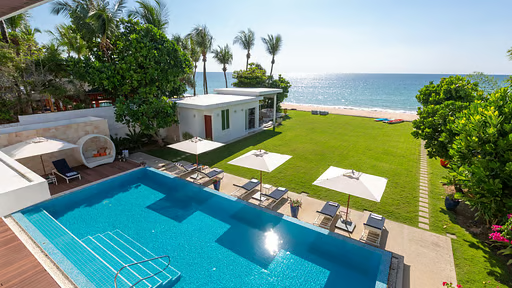
Built along ocean coastlines, these corporate buildings must handle high winds, constant salt spray, and extreme summer sun exposure. Structural designs require marine-grade materials, impact-resistant windows, and advanced exterior shading screens to control indoor temperatures.
Meeting areas are positioned to overlook the sea through glare-reducing glass, allowing natural views to lower stress without interfering with presentations. These properties require heavy-duty water desalination systems and back-up generators to keep operations running smoothly during coastal power drops.
High-Alpine Leadership Retreats
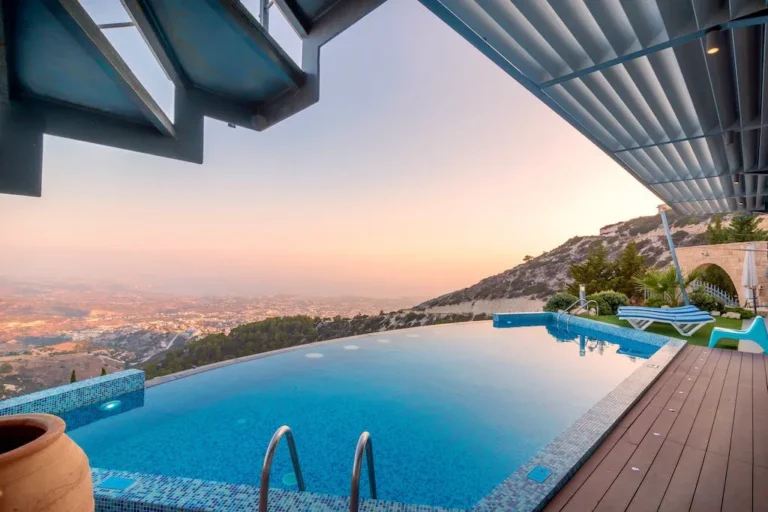
Located in mountain zones, these properties require solid structural frames to handle variable weather shifts, high winds, and steep topography. Floor plans prioritize wide central fireplaces, large boardrooms with exposed wooden trusses, and private breakout rooms built into the hillsides.
Planning choices focus on thick insulation layers, radiant floor heating networks, and mechanical air filtration to keep indoor air clean and warm. These high-altitude complexes use stepped building profiles to follow the natural terrain, ensuring easy movement between separate lodging units.
Arid Desert Innovation Hubs
Constructed in dry, high-temperature locations, these villas focus on solar heat rejection, natural cooling, and quiet working environments. Architecture choices emphasize thick concrete or rammed-earth walls that absorb desert heat during the day and release it slowly at night.
Windows are deeply inset and shaded to reduce glare on digital screens, while indoor courtyards use water features to cool the air naturally. These remote compounds require large subsurface water cisterns and solar arrays paired with battery storage to remain fully self-sufficient.
Inland Lakefront Assembly Estates
Found near freshwater lakes, these properties must manage high summer humidity, shifting shoreline water tables, and insects. Structural layouts favor wide, screened porches, elevated main levels to prevent moisture damage, and clear cedar or redwood siding.
Meeting rooms are positioned to capture natural lake breezes for cooling, while surrounding trees are used to block direct afternoon sun. These lakeside assets require advanced wastewater treatment units to protect the local watershed while handling high group usage.
Structural Performance Profiles for Corporate Retreat Typologies
| Typology Category | Primary Structural Material | Main Workplace Strategy | Information Security Risk | Climate Stabilization Tool |
| Coastal Maritime | Reinforced marine concrete | Glare-reducing glass arrays | Public beach surveillance | Solar shading screens |
| High Alpine | Heavy Douglas fir timbers | Separated breakout spaces | Drone flight paths | Radiant floor heating |
| Arid Desert | Monolithic rammed earth | Shaded indoor courtyards | Long-range optical sightlines | Thermal mass delay walls |
| Inland Lakefront | Clear western red cedar | Screened outdoor terraces | Waterway perimeter access | Passive breeze tunnels |
Strategic Planning Decisions for Group Operations
Selecting the ideal site and building layout requires balancing inspiring natural views with the practical needs of an intensive corporate schedule. A planner seeking beautiful ocean vistas or mountain ranges must evaluate how that location impacts travel times and local infrastructure.
If a property is highly isolated, organizers must plan for on-site dining and technical support, which increases the initial budget. Making these infrastructural decisions early ensures the villa can host a seamless corporate event without facing unexpected service shortages.
Detailed Real-World Operational Scenarios and Structural Failure Modes
Scenario A: Technology Procurement Failures in a Remote Island Villa
An international technology corporation secures a premium coastal villa on a private island in the Mediterranean for an executive board retreat. The property features beautiful architectural finishes, twenty individual bedroom suites, and an open-air central conference area.
However, the local cellular network depends on a single mainland tower that experiences frequent drops during peak summer tourist periods. The corporate planning team must choose between two emergency connectivity adjustments.
The first option requires deploying a portable network of low-orbit satellite dishes around the property’s roof perimeter. This method provides immediate internet access but suffers from signal drops during sudden summer thunderstorms, disrupting real-time financial reporting.
The second option involves building a temporary encrypted microwave radio link to a dedicated tower on the mainland coastline. While this approach offers secure, uninterrupted data, it requires local regulatory permits and clear, unobstructed lines of sight over the open water.
The long-term risk of relying on the quick satellite fix is that it leaves the company open to weather-related communication blackouts. A sudden storm during a major corporate acquisition vote can cut off critical data feeds, stalling the decision and exposing the firm to financial liability.
Scenario B: Mechanical Air Volume Failures During an Alpine Strategy Session
A venture capital firm hosts a week-long strategy offsite for thirty founders at an alpine estate in Utah. The boardroom features beautiful historic timber beams, thick stone walls, and standard residential air conditioning units.
On the second day of the event, the temperature inside the meeting room rises to, while CO2 levels climb to. These stuffy conditions cause noticeable drowsiness and slow down the team’s working pace.
The property’s standard residential cooling units are not designed to refresh air quickly enough for thirty active adults working in a closed room. Opening the large historic windows brings in fresh mountain air but introduces loud wind noise that disrupts recording devices and video streams.
To resolve the issue, facility managers must install portable commercial air scrubbers and temporary cooling fans throughout the working space. This equipment fixes the air quality but clutters the room’s clean design and draws heavy power, which triggers local circuit breaks.
Scenario C: Privacy Deficiencies in a High-Density Coastal Compound
A pharmaceutical company books an oceanfront villa in southern California to map out its five-year product development timeline. The property has modern glass walls that offer beautiful views of the Pacific Ocean and nearby public beach boardwalks.
During an afternoon session, security personnel spot a commercial drone carrying a high-magnification camera flying near the boardroom windows.
The security chief must choose between activating an unapproved electronic signal jammer or lowering motorized blackout shades across all ocean-facing windows. The signal jammer removes the drone immediately but risks violating federal communication laws and disrupting local emergency radio frequencies.
Lowering the blackout shades protects the confidential strategy boards from cameras but cuts off the natural light and sea views that justified booking the villa. Choosing the quick fix creates ongoing security concerns, forcing the team to move sensitive meetings to darker, windowless rooms in the back of the house.
Planning, Financial Allocations, and Resource Dynamics
Capital Allocation Realities in Corporate Hospitality
The financial planning required to book and operate premium corporate retreat assets is shaped by seasonal demand shifts, remote logistics, and specific security needs. High-performing corporate villas do not operate on standard hotel pricing models.
Every custom requirement, from encrypted internet lines to private on-site chefs, must be sourced and paid for individually, driving up costs. The scarcity of properties that blend high-end lodging with secure business infrastructure inflates booking rates during peak summer months.
Navigating Hidden Infrastructure Surcharges
Indirect logistical costs often surprise corporate planners during the early stages of organizing an offsite event. Securing an estate in an isolated location requires investing heavily in private transit vans, local airport escorts, and on-site technical support before the event begins.
Liability insurance premiums are also high, particularly for events hosting high-profile executives or board members. Insurance companies frequently require professional risk assessments and dedicated security staff on site as a condition of coverage.
Budget Expectations for Premium Corporate Retreat Assets
| Destination Typography | Base Daily Procurement Cost | Technical Upgrade Fee | Security Surcharge | Contingency Reserve |
| Exposed Coastal Compound | $4,500 – $8,500 / day | $1,500 – $3,500 | $2,500 – $6,000 | $10,000 – $25,000 |
| High Alpine Ridge Estate | $4,000 – $7,500 / day | $1,200 – $3,000 | $2,000 – $5,000 | $8,500 – $20,000 |
| Arid Desert Innovation Hub | $3,500 – $6,800 / day | $1,000 – $2,500 | $1,800 – $4,500 | $7,000 – $18,000 |
| Inland Lakefront Holding | $3,000 – $5,500 / day | $800 – $2,000 | $1,200 – $3,500 | $5,000 – $15,000 |
Tools, Technical Systems, and Infrastructure Support
Data Privacy and Security Protections
Managing an offsite corporate event requires advanced technical tools to protect sensitive company information without interfering with the estate’s open, collaborative feel. These systems allow IT teams to defend corporate data from outside threats while keeping connectivity fast and reliable.
-
Portable Hardware Firewalls: Created to manage all data traffic through a secure, encrypted tunnel back to corporate servers, blocking local network intrusions.
-
Acoustic Noise Masking Devices: Emits fine, unnoticeable sound frequencies near meeting room windows, stopping long-range directional microphones from picking up private conversations.
-
Encrypted Satellite Terminals: Provides a dedicated, high-speed internet backup that runs independently of local island or mountain providers, ensuring communication lines remain open.
Facility Selection Guidelines
Successful corporate retreat planning relies on specific building regulations, space design models, and formal safety standards. These guidelines give procurement teams a clear framework to verify that a villa is safe, accessible, and functional for professional groups.
-
ADA Commercial Accessibility Standards: Ensures the villa’s shared areas, entrances, and bedrooms can be used easily by all team members, regardless of physical mobility needs.
-
ASHRAE Indoor Ventilation Standards: Sets specific targets for fresh air intake and filtration in meeting rooms, keeping teams alert and focused throughout long working sessions.
-
NFPA Life Safety Fire Codes: Verifies that the property has proper emergency exits, linked smoke detectors, and automated sprinkler networks to protect large groups.
-
Unified Building Automation Interfaces: Centralized controls that let event managers adjust lighting, cooling, and security settings instantly from a single tablet.
Risk Landscape, Vulnerabilities, and Compounding Offsite Operational Failures
The Risks of Poor Space Planning
The biggest operational risk at a corporate offsite is the friction caused by poor space planning within the villa. Selecting a property with thin walls or poor layout flow means early risers or catering staff can easily disturb executives who are trying to rest or prepare for meetings.
Left unaddressed, these noise disruptions can cause poor sleep, lower team energy, and lead to fractured, less productive strategy sessions. By the middle of the week, a poorly laid-out house can actively drain team morale and undermine the goals of the retreat.
Local Utility and Infrastructure Shocks
Changing global weather patterns and overstretched local utility grids present immediate risks to corporate retreats held in remote seasonal areas. Coastal properties can face sudden rolling power blackouts during peak summer heatwaves when tourist centers use maximum electricity.
Mountain estates are vulnerable to sudden summer storms that can wash out single-lane access roads, blocking catering deliveries and emergency access. These local infrastructure failures can quickly derail a tight corporate schedule if the property lacks independent backup systems.
Third-Party Service and Catering Failures
Many major offsite disruptions occur when third-party catering and transport teams are poorly integrated into the villa’s operational schedule. Bringing external staff into a private kitchen without clear direction can create confusion that delays meals and pushes back key meeting sessions.
Additionally, if service staff are not properly vetted, sensitive corporate data left on whiteboards or tables can be exposed. Managing a successful event requires setting clear boundaries and schedules for all external service teams.
Governance, Maintenance, and Asset Preservation Models
Establishing an Operational Governance Framework
Managing an intensive corporate offsite event requires a clear governance structure that separates daily hospitality services from corporate data security and schedule management. This organization is essential whether the event is managed by an internal administrative team or an external corporate concierge agency.
The corporate offsite lead must maintain a dedicated emergency fund, separate from standard venue fees, to handle unexpected transportation or tech adjustments. This fund ensures that critical system upgrades or emergency moves can happen immediately without delaying corporate work.
The Corporate Event Operational Timeline
To prevent the operational mistakes described in the risk analysis, management must execute a strict, daily schedule checklist. This timeline ensures every system in the villa is monitored, verified, and secured throughout the corporate stay.
The Executive Offsite Readiness Protocol
-
Pre-Arrival Verification: Two days before executives land, IT specialists must test the network under full load conditions to ensure it can handle multiple video streams. Engineering teams check backup generator fuel levels and verify that all presentation screens link smoothly with corporate devices.
-
Daily Morning Audit: Before morning sessions begin, facility managers check meeting room ventilation systems to ensure proper fresh air movement. Staff clear secure document bins, check temperature settings, and organize seating layouts for optimal comfort.
-
Daily Evening Cleansing: After sessions wrap up, security teams check meeting rooms to ensure no sensitive strategy documents or login details are left visible. Local server systems back up data to secure cloud storage, and automated door locks are activated for the night.
-
Post-Event Data Purge: Once the team leaves, IT technicians wipe all local network caches, reset wireless passwords, and shred remaining physical documents. A final walkthrough ensures no company equipment or data drives are left behind on the property.
Measurement, Tracking, and Quantitative Value Metrics
Core Performance and Productivity Indicators
Evaluating the success of a corporate offsite requires tracking specific leading and lagging productivity metrics. Relying only on casual team feedback can hide technical or logistical issues that subtly reduced group performance.
-
Executive Focus Continuity Rate: Tracks the percentage of meeting time completed without technical glitches or noise distractions. A rate below signals that property infrastructure or space layouts disrupted corporate work.
-
Indoor Carbon Dioxide Variance: Monitored via portable air quality sensors placed inside key meeting spaces. Carbon dioxide readings that climb above point to inadequate ventilation, which can cause drowsiness and lower team focus.
-
Secure Network Data Throughput: Measures upload and download speeds on encrypted corporate connections. Steady speeds above per user show the villa’s tech infrastructure handled corporate data demands smoothly.
-
Operational Schedule Adherence Index: The mathematical relationship between planned meeting start times and actual kickoff times. A ratio below indicates that hospitality services or room changes caused logistical delays.
Essential Event Documentation Records
To ensure offsite outcomes can be reviewed and built upon, event coordinators must maintain clean, organized records of all logistics and assets used.
-
The Technical Infrastructure Blueprint: A detailed digital log recording all network configurations, encryption settings, hardware serial numbers, and backup power paths used during the event. This file helps IT teams replicate successful setups for future retreats.
-
The Spatial Assignment Registry: A clear map matching each attendee to their specific room and workstation, taking into account individual acoustic and physical needs. This layout log helps planners optimize future team seating and room arrangements.
-
The Vendor Service History Ledger: A chronological archive tracking every service provider used, including catering companies, transport teams, and technical contractors. Each entry notes delivery times, performance ratings, and any logistical issues encountered during the stay.
Common Misconceptions, Procurement Myths, and Oversimplifications
Myth: The Most Expensive Luxury Properties Always Make the Best Workspaces
A frequent mistake among corporate planners is assuming that the highest-priced luxury estates automatically provide the best environment for a corporate retreat. In reality, many ultra-expensive vacation homes are designed purely for leisure, featuring spread-out room layouts and open-air spaces that lack acoustic privacy.
These properties often lack the high-speed data networks, quiet meeting rooms, and power backups required to run an intensive professional event. True corporate asset selection requires focusing on technical workplace features over simple luxury pricing.
Myth: Double-Glazed Windows Provide Total Acoustic Isolation Between Rooms
Many planners assume that booking a villa with modern double-glazed windows guarantees a quiet, distraction-free environment for confidential board meetings. While high-quality windows block outside noise well, they do not stop sound from traveling through shared interior walls, open ventilation ducts, or hollow doors.
If a property lacks proper interior acoustic insulation, conversations from the kitchen or hallway can easily carry into the boardroom. Corporate teams must look for properties with verified interior acoustic ratings to ensure total privacy during sensitive discussions.
Myth: Relying on Local Cellular Hotspots is an Acceptable Internet Backup Plan
With the speed of modern mobile networks, organizers sometimes assume that local cellular hotspots are a reliable backup if the villa’s primary internet fails. However, remote coastal or mountain cell towers can quickly become overloaded when summer tourist crowds arrive, causing data speeds to drop significantly.
A cellular hotspot lacks the security features, bandwidth, and stability needed to protect and transmit confidential corporate data during a network emergency. High-performance offsites require a dedicated, hardwired or satellite-backed internet line to ensure secure connectivity.
Ethical, Ecological, and Community Contextual Considerations
Balancing Corporate Gatherings with Community Preservation
Organizing high-density corporate retreats requires careful consideration of local environmental impacts, water resource conservation, and neighborhood scales. Large corporate groups can put a heavy strain on infrastructure in delicate coastal towns or quiet mountain communities.
Planners must balance the company’s operational goals with the responsibility to respect and protect local areas. Forward-looking event designs focus on hiring local service providers, reducing single-use plastics, and managing group transportation to minimize local traffic.
Navigating Resource Management and Resource Conservation
Operating a large seasonal villa for a short, high-energy corporate event demands intentional management of energy, water, and food resources. Running high-capacity cooling systems, multiple media arrays, and heavy kitchen equipment can create a large temporary carbon footprint.
Forward-thinking organizations are minimizing this impact by selecting villas that use smart climate zones, energy-efficient appliances, and solar power networks. These choices help companies run a professional event while upholding their corporate sustainability commitments.
Planning for Long-Term Climate and Safety Adjustments
As weather patterns become more volatile, choosing offsite locations in high-risk zones requires smart planning and flexible logistics. Coastal and forest assets are increasingly vulnerable to sudden tidal flooding, heavy summer storms, or unexpected wildfires.
Corporate risk managers must work closely with property owners to verify that emergency evacuation plans and backup systems are fully up to date. This proactive approach protects team safety and ensures the event can adapt smoothly if weather conditions change suddenly.
Conclusion
The successful execution, data security, and strategic value of an executive gathering depend entirely on selecting the right physical facility. These high-performance compounds represent significant short-term investments of corporate capital, leadership time, and operational focus.
Consequently, they require a systematic approach to asset procurement that prioritizes structural workspace features over simple holiday amenities. Best summer villas for corporate retreats. By selecting properties with proper acoustic controls, secure tech infrastructure, and smart layouts, companies create an environment where leadership teams can focus completely on driving long-term organizational success.
As modern working styles become more decentralized and corporate security needs grow more complex, the methods used to choose offsite venues must adapt. Committing to thorough pre-arrival testing, strict data privacy protocols, and quantitative performance tracking helps companies avoid costly operational disruptions. Best summer villas for corporate retreats. This professional approach to venue management ensures that corporate retreats remain highly productive events, protecting company data and helping teams align smoothly around their long-term goals.