Dynamic Private Island Real Estate Structures and Layouts
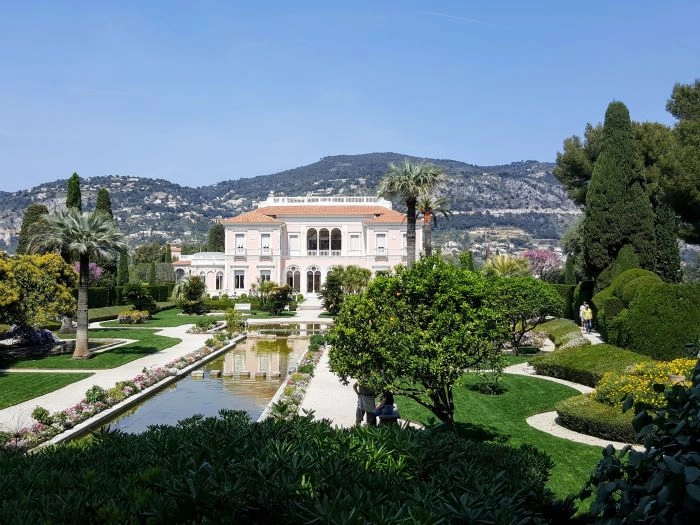
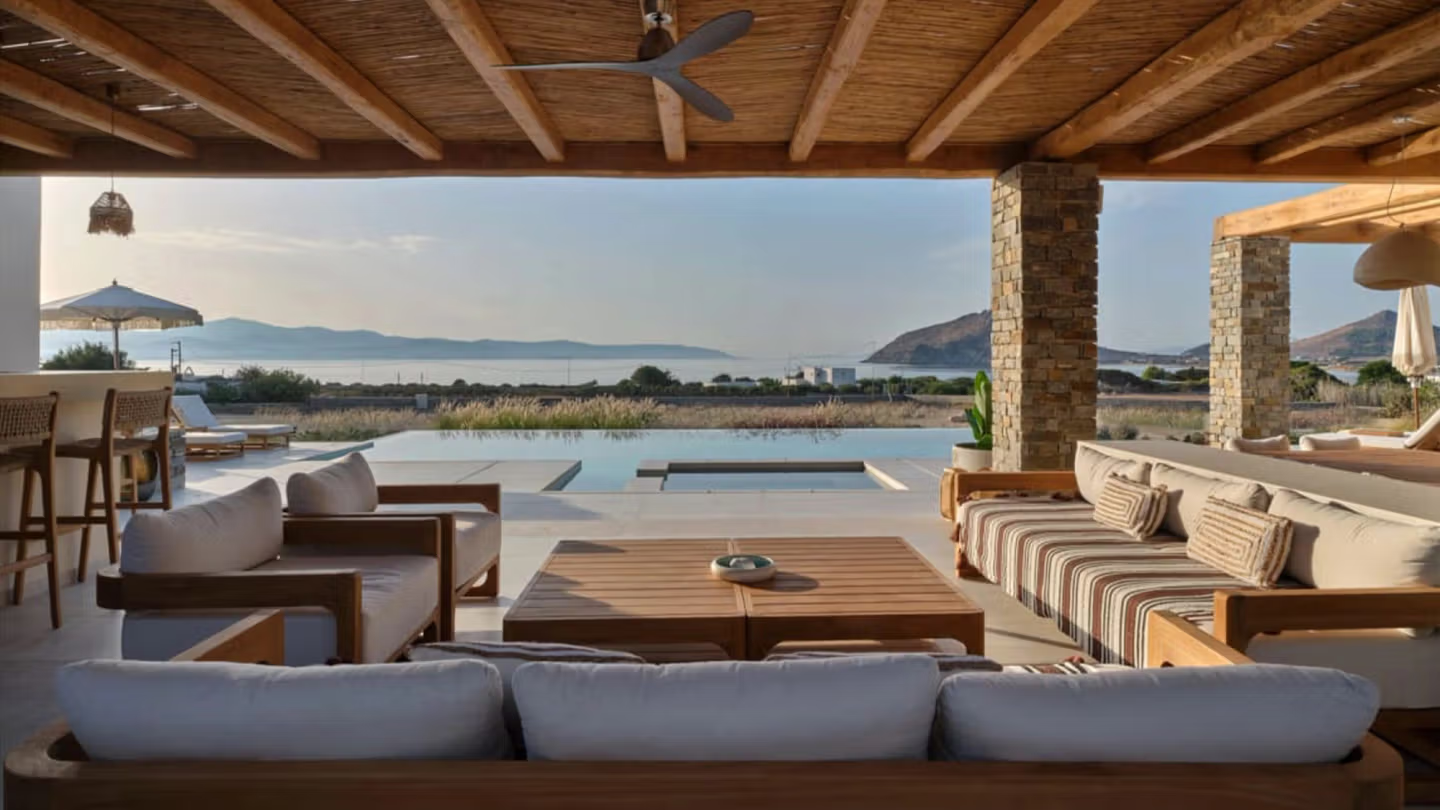
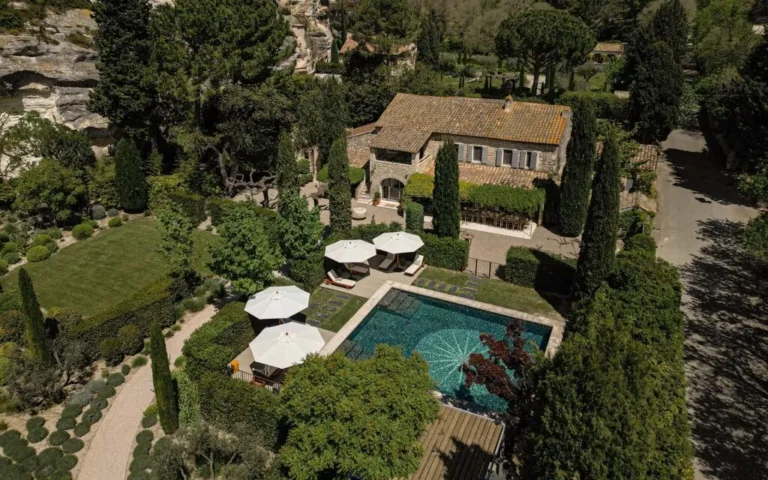
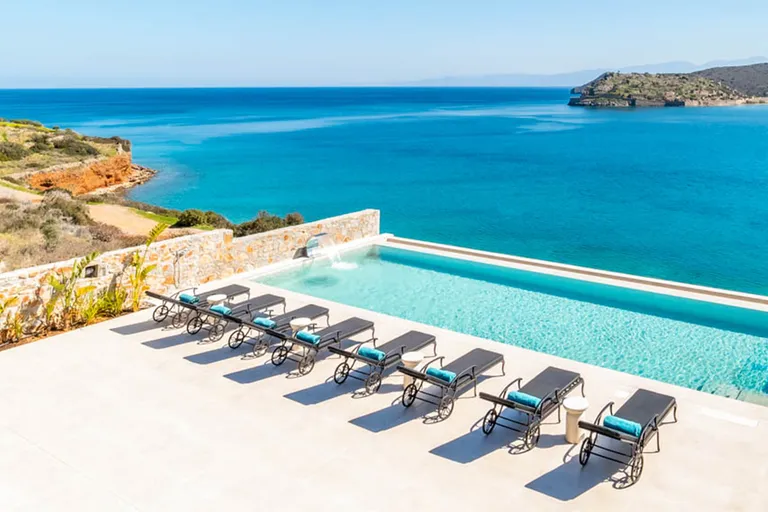
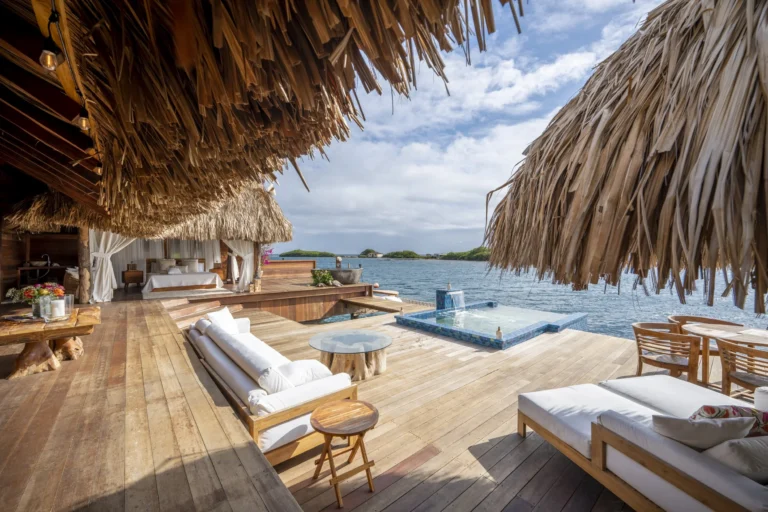
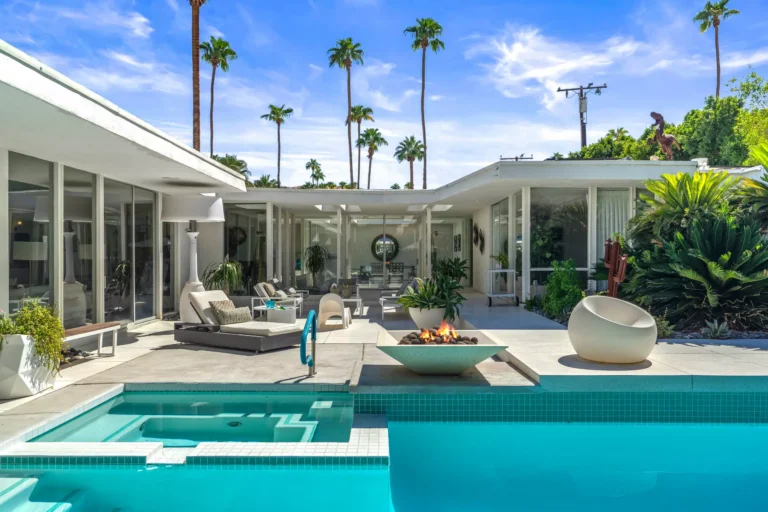
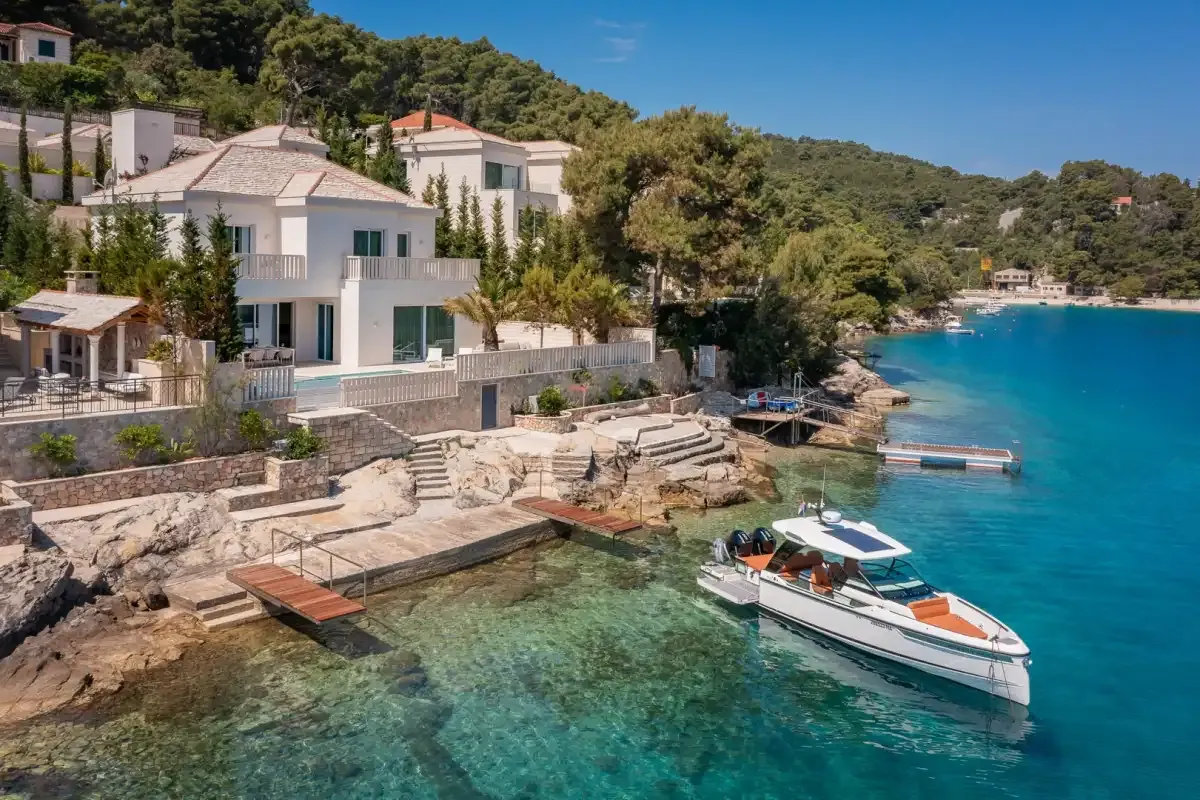
Island summer villas examples. The development of isolated seasonal properties requires advanced architectural engineering and strict asset management protocols. High-value marine structures face unique environmental pressures that mainland real estate rarely encounters. A successful luxury property cannot rely on standard suburban utility connections. Instead, every coastal estate must be designed as a self-sustaining grid system that maintains operational continuity independently.
Historically, remote beachfront properties were built using simple regional materials and basic cistern setups. These early designs frequently suffered from seasonal storm damage and severe freshwater shortages. Today, sophisticated builders treat the residential asset as an integrated architectural ecosystem. This advanced planning methodology ensures that changing weather conditions do not compromise structural integrity.
Constructing a durable insular estate requires an analytical, data-driven assessment of regional supply paths. Every distinct geographic zone introduces separate structural demands, from high-salinity air corrosion to shifting coral sand foundations. To achieve true asset longevity, developers must look past standard luxury design narratives. They must implement a comprehensive, systems-based engineering approach instead. This reference framework evaluates the architectural styles, financial models, and risk management systems needed to maintain high-end seasonal estates.
Understanding “island summer villas examples”
The evaluation of prominent island summer villas examples requires looking beyond surface-level aesthetic design choices. A high-value seasonal property must be analyzed as an integrated engineering assembly where architectural form directly serves operational survival. The layout of the estate must account for local wind profiles, marine soil load-bearing capacities, and long-term utility storage needs.
Engineering the Property Footprint
A common mistake in estate planning is prioritizing glass facades and expansive cantilevers without evaluating local wind loads. For example, installing large structural windows without heavy storm shutter tracks creates an immediate vulnerability during tropical storm seasons. Similarly, building heavy concrete infinity pools on shifting sand terraces without deep pile foundations will lead to catastrophic ground settling.
Strategic Infrastructure Elements
Mastering the property assessment process requires balancing three distinct design elements:
-
The Structural Substrate: Checking foundation piling depths, concrete reinforcement coatings, and corrosion-resistant steel alloys.
-
The Resource Processing Node: Designing twin reverse-osmosis desalination systems, solar arrays, and high-capacity battery rooms.
-
The Security Perimeter: Creating reinforced structural safe rooms, automated storm barriers, and secure marine access structures.
When these elements are properly aligned, the estate provides a secure environment that preserves its market value over time. If any system is neglected, the seasonal residence can quickly become an expensive maintenance burden.
Deep Contextual Background
Early Seasonal Coastal Settlements
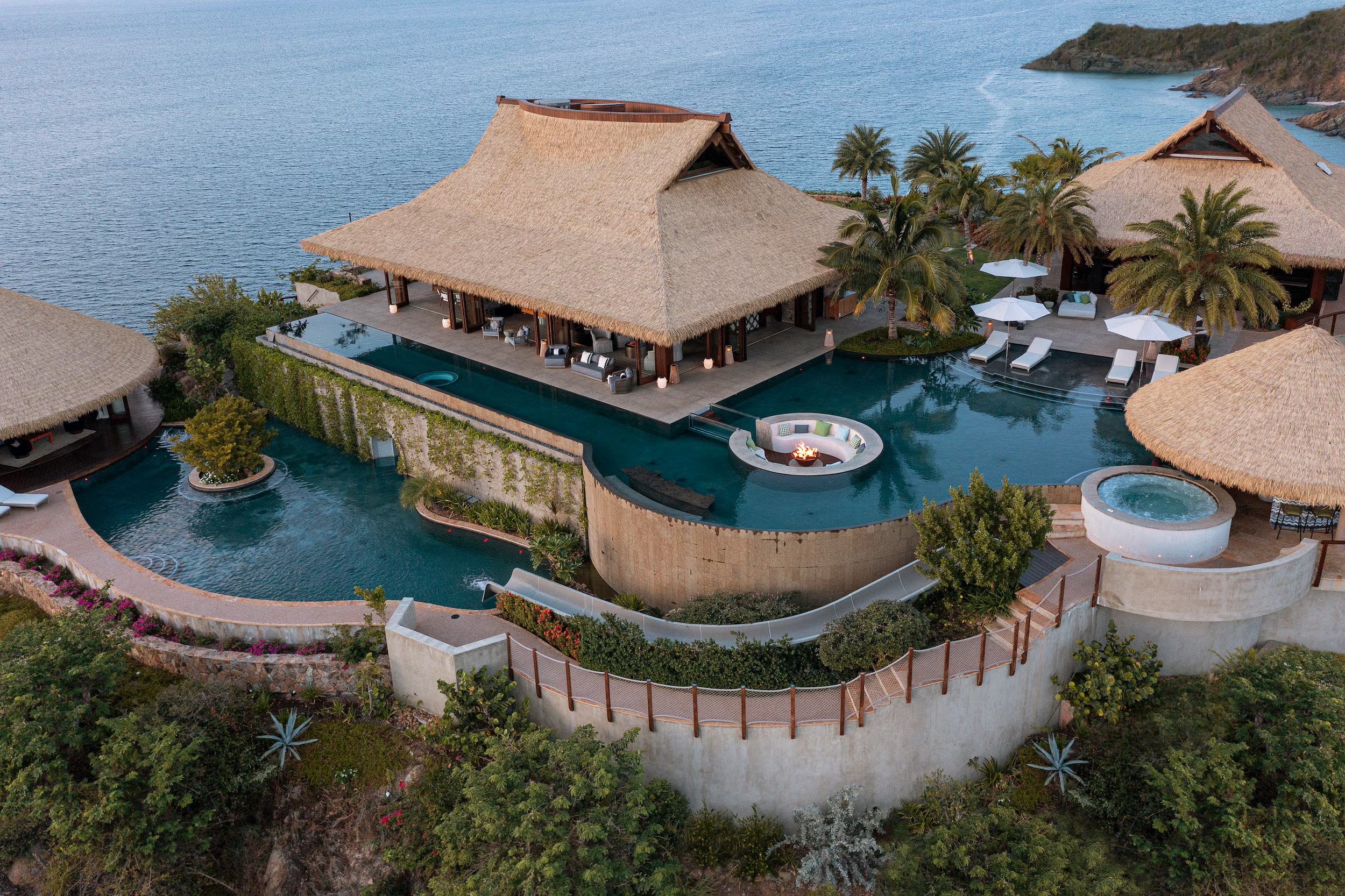
The structural evolution of remote coastal architecture reflects significant advancements in materials science and transport logistics. During the early twentieth century, elite island residences were constructed primarily using local timber and heavy stone masonry. These properties were inhabited only during specific weather windows, as keeping them operational required intense manual labor and constant shipments of heating fuel. The focus was on basic seasonal survival rather than providing continuous luxury amenities.
The Mid-Century Concrete Revolution
The widespread availability of reinforced concrete and heavy transport barges during the post-war era changed remote construction practices. Builders gained the ability to anchor large structures directly into coastal rock faces, enabling the creation of expansive terraces and multi-level floor plans. This technological shift allowed properties to expand significantly in size, though it introduced new challenges regarding concrete spalling and salt-driven rebar corrosion.
The Era of Automated Infrastructure
In recent years, the management of premium coastal estates has transitioned toward integrated building management software and smart automation. Modern island summer villas examples utilize automated sensors to monitor structural movement, water purity levels, and solar grid efficiency in real time. Today, managing these remote properties requires deep technical expertise, combining traditional marine engineering with advanced environmental data analysis.
Logistical Frameworks and Mental Models
The Corrosive Degradation Model
The Corrosive Degradation Model serves as a core concept for planning high-salinity architectural projects. This framework states that structural component failure accelerates exponentially based on its distance from the high-water mark. A metal bracket that lasts decades inland can fail within months if exposed directly to constant ocean spray.
The Resource Balance Architecture
This model measures a property’s ability to collect, store, and recycle critical utility resources like water and power. Elite island homes must balance daily resource consumption against localized collection capacities to remain operational during supply delivery delays. Planners use this data to calculate the exact size of water tanks and battery banks required for the estate.
The Triple-Tier Redundancy Concept
This framework requires installing three independent layers of protection for every critical utility system on the property. If the primary solar array drops offline, the system must automatically shift load to a secondary generator network, followed by a final emergency battery loop. This multi-layered approach ensures the residence remains fully functional even during prolonged regional infrastructure failures.
Geographic Classifications and Environmental Demands
Designing resilient island properties requires a deep understanding of local environmental conditions. Every distinct marine region introduces separate architectural requirements, weather patterns, and construction rules that alter the property design.
Volcanic Mediterranean Cliffsides (e.g., Aegean Sea, Cyclades)
These sites feature steep rocky terrain, high seismic risks, and intense summer sun exposure. Structural layouts must use deep rock anchors, thick thermal mass walls, and natural lime plaster finishes to control indoor temperatures efficiently.
Low-Lying Coral Atolls (e.g., Maldives, Bahamas)
Characterized by very low elevations, porous sandy soils, and high vulnerability to tidal surges. Properties require driven concrete pilings, raised living platforms, and advanced decentralized wastewater treatment systems to protect local marine environments.
Tectonic Pacific Archipelagos (e.g., Fiji, Indonesia)
These tropical regions experience regular seismic activity, high relative humidity, and intense seasonal typhoons. Buildings must utilize flexible hardwood framing connections, aerodynamic roof pitches, and wide overhangs to manage heavy downpours safely.
Sub-Arctic Sound Inlets (e.g., San Juan Islands, Scottish Hebrides)
Characterized by cold waters, rocky coastlines, and low annual solar exposure. Designs emphasize heavy insulation wraps, triple-glazed glass walls, and active geothermal heating loops to maintain interior comfort year-round.
Comparative Insular Engineering Metrics
Structural Profile Selection Logic
Selecting an architectural profile must be guided by clear environmental data rather than visual style trends. If an estate is planned for a high-seismic tropical zone, utilizing heavy stone masonry without flexible wood joints creates an immediate safety risk. Conversely, if a project sits on a low-lying coral atoll, building heavy stone structures without deep friction pilings will cause the foundation to sink into the soft sand substrate over time.
Detailed Real-World Scenarios
Scenario A: The Aegean Cliffside Restoration
An investment group restores a historic multi-level stone villa on a steep cliffside in the Cyclades islands. The project requires adding modern luxury amenities while preserving the building’s historic designation.
-
Crucial Constraints: Limited road access for heavy machinery, strict historic preservation codes, and intense summer wind shear.
-
Key Decision Points: The engineering team utilized micro-piling rigs transported by sea to reinforce the cliff edge. They installed custom hidden steel tie-rods inside the historic stone walls to improve seismic stability without altering the exterior facade.
-
Potential Failure Modes: Applying modern cement plasters over historic limestone walls traps moisture, leading to rapid stone decay and structural scaling.
-
Second-Order Effects: Using natural lime-based washes allowed the historic walls to breathe, preventing moisture buildup and lowering interior cooling costs.
Scenario B: The Caribbean Atoll Development
A private estate developer constructs a self-contained family compound on a low-lying private cay in the Bahamas.
-
Crucial Constraints: Zero access to a municipal power grid, high groundwater tables, and strict local coral reef protection laws.
-
Key Decision Points: The builder raised the entire living area four feet above the historic storm surge line on concrete pillars. They installed a large bifacial solar canopy over the main roof, linking it to an underground lithium-iron-phosphate battery vault.
-
Potential Failure Modes: Utilizing traditional drain-field septic systems on sandy atolls causes rapid groundwater contamination, destroying adjacent coral reefs.
-
Second-Order Effects: Installing an advanced membrane bioreactor sewage plant produced clean water for irrigation, eliminating the need to use the property’s primary desalination system for landscaping.
Planning, Cost, and Resource Dynamics
Operating remote island summer villas examples requires an honest assessment of initial capital outlays and ongoing maintenance overhead. Construction and management expenses rise significantly when materials and labor must be transported across open water.
Managing Logistics and Labor Premiums
Island construction projects face substantial transport premiums that mainland developments avoid. Delivering specialized building materials, such as marine-grade stainless steel or large glass panels, requires scheduling dedicated cargo barges and crane vessels. Furthermore, remote locations often lack specialized technicians, requiring developers to pay travel, housing, and daily bonuses for simple electrical or plumbing repairs.
Estimated Remote Property Asset Allocation
Structural Lifecycles and Replacement Realities
Exposing luxury building materials to constant salt air and intense UV radiation shortens their functional lifecycles significantly. Standard external light fixtures, window tracks, and roofing metals require replacement up to three times faster than identical items used inland. This rapid wear pattern creates an ongoing capital demand, requiring estate managers to maintain a large replacement fund to prevent the property from falling into disrepair.
Tools, Strategies, and Support Systems
Maintaining a remote island estate requires deploying specialized tracking software, durable hardware systems, and experienced technical personnel.
-
Chief Operations Engineer: A resident technician responsible for monitoring all mechanical, electrical, and water treatment systems on the property.
-
SCADA Property Management Interfaces: Deploying centralized industrial control software to track water production, battery temperatures, and generator loads.
-
Bifacial Solar Tracking Arrays: Utilizing advanced solar panels that collect light from both sides, increasing energy production in sandy or coastal environments.
-
Multi-Stage Reverse Osmosis Plants: Installing high-pressure water desalination systems with automated membrane back-washing capabilities.
-
Marine-Grade Anodized Aluminum Enclosures: Protecting all exterior electrical connections inside sealed, corrosion-proof metal housings.
-
Dedicated Fuel Storage Vaults: Constructing reinforced, double-walled fuel reservoirs to supply emergency backup generators safely during extended outages.
-
Pre-Scheduled Barge Supply Lines: Establishing regular transport contracts to guarantee steady delivery of fuel, parts, and heavy maintenance gear.
Constraints of Off-Grid Hardware Systems
While advanced off-grid utility systems provide independence, they remain vulnerable to complex electronic component failures. A single lightning strike or power surge can fry critical control circuit boards in a solar inverter, disabling the property’s primary power grid. Because of this vulnerability, estate managers must store a full inventory of replacement circuit boards and mechanical valves on-site, ensuring the resident engineer can complete repairs without waiting for mainland parts shipments.
Risk Landscape and Failure Modes
The operational risks involved in managing remote island summer villas examples are closely linked. A malfunction in an apparently minor mechanical system can quickly trigger a series of failures that impacts the liveability of the entire estate.
Strategic Vulnerabilities
-
Desalination Intake Clogging: Sudden blooms of local marine algae can choke water intake lines, shutting down freshwater production and draining backup storage tanks.
-
Battery Thermal Runaway: Inadequate cooling in the main battery vault can cause lithium cells to overheat, triggering automated shutdowns to prevent fires.
-
Galvanic Structural Corrosion: Using mismatched metals in external support railings causes rapid electrochemical reactions, destroying structural welds within a few seasons.
The Impact of Compounding Risks
The severity of these engineering risks increases when multiple systems fail at the same time. For example, a sudden lightning strike can damage the main solar inverter, forcing the estate to rely entirely on its backup diesel generators. If the generator’s fuel filters are already clogged by fungal growth from humid storage conditions, the engine can stall under heavy air-conditioning loads, causing a total blackout that disables security, water, and cooling systems simultaneously.
Governance, Maintenance, and Long-Term Adaptation
Preserving the structural value and operational stability of an island estate requires a highly disciplined maintenance schedule. Property systems must be audited systematically to adapt to changing coastal conditions and real-time wear data.
The Asset Maintenance Master Checklist
The Operational Startup Phase
-
Pressure test all reverse-osmosis water membranes and confirm water purity metrics match safety standards.
-
Cycle all emergency backup generators under full building load for at least four continuous hours.
-
Inspect all exterior storm shutter tracks, lubricating manual rollers and testing automated hydraulic closures.
The Active Inspection Phase
-
Check battery room temperature readings and cooling system condensation lines every twenty-eight days.
-
Clear all solar panel surfaces of salt crust and organic debris using demineralized water washes.
-
Test cathodic protection voltages on all underwater steel dock pilings to track corrosion prevention performance.
The Off-Season Preservation Phase
-
Flush all active plumbing loops with freshwater and drain water heaters to prevent mineral scaling during storage.
-
Coat all exposed exterior stainless steel surfaces with specialized marine wax protectors.
-
Audit the spare parts inventory, reordering essential circuit boards, pump seals, and fuel filters for the next year.
Measurement, Tracking, and Evaluation
Accurately tracking the operational health of an island property requires monitoring both quantitative engineering data and qualitative service performance. Estate managers use these metrics to schedule repairs proactively, addressing issues before they cause system failures.
Quantitative Metrics
-
Total Dissolved Solids (TDS) Ratings: Continuous monitoring of desalinated water purity levels () to detect early filter membrane failure.
-
Battery Capacity Degradation Rates: Tracking the maximum energy retention capability () of the lithium bank over multiple charge cycles.
-
Generator Fuel Efficiency Logs: Measuring electrical output per gallon of fuel consumed to identify internal engine wear or injector issues.
Qualitative Metrics
-
Air Flow and Humidity Consistency: Assessing how evenly the HVAC system controls interior humidity levels to protect delicate wood finishes and artwork.
-
Component Finish Quality: Inspecting exterior paint, stone seals, and metal coatings to identify early signs of salt-driven degradation.
Common Misconceptions and Oversimplifications
The Myth of Maintenance-Free Stainless Steel
A frequent error among property buyers is assuming that selecting stainless steel guarantees protection against coastal rust. In reality, standard grades like 304 stainless steel will rust quickly when exposed to direct marine environments. True long-term protection requires utilizing marine-grade 316 stainless steel or specialized titanium alloys, both of which require regular freshwater washdowns to maintain their protective surfaces.
The Illusion of Simple Solar Independence
Many owners believe that installing a standard rooftop solar array allows an island property to operate completely independent of backup power sources. However, consecutive days of heavy storm cover combined with high evening air-conditioning demands can drain standard battery banks quickly. A reliable off-grid system must link solar power with heavy diesel generators to guarantee electricity during extended weather events.
The Misunderstanding of Flat Roof Designs
Modern architectural trends often favor minimalist flat roof profiles for coastal homes to maximize views. Yet, in tropical regions prone to downpours, flat designs require complex, high-volume internal drainage networks to prevent water pooling. Aerodynamic pitched roofs remain structurally superior for island projects, as they shed heavy rain instantly and lower wind-uplift pressures during intense storms.
Ethical, Practical, and Contextual Considerations
Developing and operating large-scale seasonal estates in isolated marine environments carries a distinct responsibility toward regional ecosystem conservation and local community balance. Prominent island summer villas examples consume substantial resources, meaning their structural presence can significantly impact fragile coastal habitats and year-round island populations.
Ecosystem Conservation
Property developers and managers must minimize their environmental footprint to preserve the delicate coastlines that define these destinations. High-volume wastewater disposal, improper garbage handling, and extensive landscape lighting can damage native marine life and disrupt local coral reef systems. Installing advanced on-site water treatment systems and using downward-facing, low-intensity exterior lighting helps protect local nesting sea turtles and adjacent fish habitats from harm.
Community Stability
Premium island enclaves often sit alongside historic, permanent local fishing villages and small towns. Strategic management plans should avoid straining shared regional resources, such as local water supplies or municipal waste facilities during peak holiday seasons. Engaging local craftsmen for construction, sourcing organic produce from regional farms, and supporting community education initiatives helps build a healthy island economy. This respectful approach ensures that these beautiful seasonal properties remain a welcome, supportive part of the broader island community over the long term.
Conclusion
Successfully engineering a premium island estate requires a careful combination of marine science, advanced utility planning, and disciplined maintenance protocols. As shown across these distinct island summer villas examples, creating an exceptional seasonal residence relies on more than just stunning coastal views or luxury interior furnishings. It requires building a resilient, self-contained infrastructure that synchronizes water production, solar power capture, and corrosion defense around the property hub.
By using structural models like the Corrosive Degradation framework and adhering to strict multi-phase maintenance checklists, estate managers can protect these valuable assets from severe coastal weather. This structured management approach preserves long-term property values, prevents costly equipment breakdowns, and guarantees safety for residents. Ultimately, mastering these hidden technical and architectural layers is what transforms a remote coastal house into a secure, enduring island sanctuary.