Top Countryside Summer Villas in America: Architecture & Regions
The definition of the luxury rural estate within the United States has undergone a profound structural shift over the past several decades. Historically, agrarian properties were valued primarily for their productive capacity or direct resource yield. When high-net-worth individuals acquired large rural tracts in the late nineteenth century, these holdings functioned either as working showcase farms or as simplified hunting lodges. In the contemporary market, the demand has moved toward multi-generational residential sanctuaries. These properties must integrate complex modern engineering with the preservation of surrounding natural ecosystems.
This institutional evolution requires a shift in how owners evaluate prospective seasonal properties. Modern high-end estates are no longer judged simply by acreage or basic structural square footage. Instead, a premium property is assessed as an integrated system containing complex architectural engineering, ecological assets, and regional logistical support networks. The modern countryside estate must provide absolute privacy and independent security while maintaining access to urban economic centers.
Navigating this highly fragmented real estate sector requires a systematic methodology that avoids the emotional narratives found in traditional luxury lifestyle publications. Selecting a rural summer villa involves evaluating regional microclimates, geological stability, water security, and localized building regulations. This comprehensive analysis establishes a professional framework for identifying, acquiring, and managing premier seasonal estates across diverse American topographies.
Understanding “top countryside summer villas in America.”
The terminology used to describe premium rural properties is frequently diluted by marketing agencies and real estate brokerages. To establish an accurate analytical foundation, the phrase top countryside summer villas inAmerica “a must be deconstructed into objective, measurable components. This process removes vague aesthetic descriptions and replaces them with precise structural and environmental metrics.
Deconstructing the Core Assets
An institutional-grade countryside villa is defined by three primary variables that separate it from standard suburban or semi-rural housing:
-
Ecological Isolation: The property boundaries must provide a physical buffer zone that guarantees visual privacy, acoustical isolation, and protection from changing local land-use patterns.
-
Structural Autonomy: The built environment should incorporate self-sustaining utility systems, including independent water rights, advanced solar or geothermal grids, and dedicated waste management infrastructure.
-
Localized Asset Protection: The estate must be situated in a jurisdiction that offers stable property rights, favorable zoning laws, and responsive emergency municipal services.
Common Misunderstandings in Rural Real Estate
A frequent error committed by buyers is confusing a large suburban home located near open fields with a genuine countryside villa. True rural estates operate under completely different structural and legal conditions than suburban developments.
For instance, a property might feature high-end interior finishes but lack secure water rights or protection from adjacent agricultural noise and chemical spraying. A home cannot function as a true seasonal sanctuary if its immediate horizon is vulnerable to sudden commercial developments or industrial zoning changes.
The Risks of Architectural Oversimplification
Oversimplifying the countryside estate market leads to significant operational friction and unexpected capital expenditures. Many buyers assume that historic rural properties can be modernized without altering their architectural integrity or straining regional labor pools.
An old stone manor in Virginia or a timber-frame barn conversion in Vermont may possess historical appeal. However, these structures often lack the foundational strength, insulation, and electrical conduit capacity needed to support modern climate control and filtration systems. Upgrading these buildings requires highly specialized historical preservation contractors, who are rarely available in remote rural economies.
Deep Contextual Background
The American tradition of establishing prominent countryside estates developed alongside the growth of industrial cities. During the Gilded Age, prominent families created massive rural retreats in areas like the Berkshires, the Hudson Valley, and the rolling hills of Virginia. These properties were designed to showcase architectural sophistication and serve as private centers for political and economic networking outside city centers.
By the mid-twentieth century, the focus of rural estate ownership shifted toward working ranches and experimental agricultural properties in the West and Southwest. These properties combined seasonal leisure with cattle production, horse breeding, or large-scale crop cultivation. This era established the legal frameworks for conservation easements and agricultural tax valuations that continue to influence the modern real estate market.
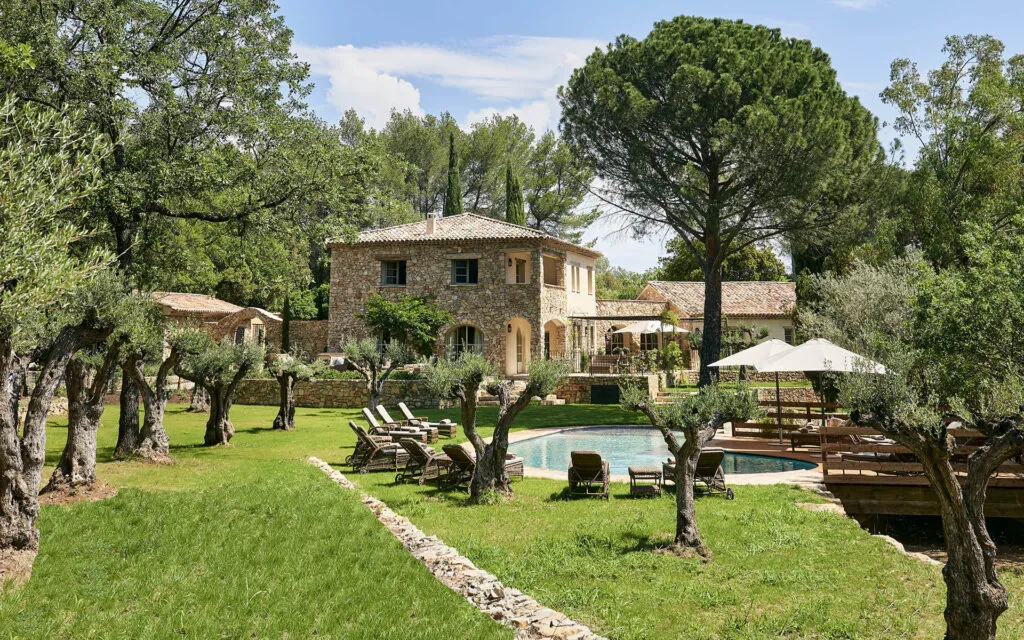
In the twenty-first century, the widespread availability of high-speed satellite communications, advanced green building technology, and private aviation changed the market again. The modern buyer no longer needs to choose between professional connectivity and remote natural beauty. The contemporary countryside villa serves as a highly functional primary or secondary residence where complex business operations can be managed smoothly from a remote, private environment.
Conceptual Frameworks and Mental Models
To evaluate high-end rural properties accurately, investors should utilize structured mental models. These frameworks help buyers look past initial visual impressions and focus on long-term structural viability.
The Agrarian Boundary Framework
This framework looks at an estate as an active buffer zone that interacts continuously with the surrounding region. A property’s long-term value depends on how well its boundaries protect it from external changes.
When using this model, buyers analyze how local zoning laws, natural topography, and water sources protect the property from future regional development.
The Structural Life-Cycle Matrix
This matrix evaluates the long-term durability of rural buildings by analyzing how well their materials and construction style fit the local climate. It assesses how exterior elements handle extreme weather, such as heavy winter snow in New England or high summer heat in the Texas Hill Country. Choosing a property with building materials mismatched to the local environment leads to higher annual maintenance costs and faster structural decline.
The Ecological Carrying Capacity Model
This model measures how well a property can operate independently during seasonal environmental disruptions or infrastructure failures. It calculates the capacity of on-site water wells, solar power arrays, backup fuel storage, and waste systems. A high-grade countryside villa should be able to maintain comfortable living conditions during extended power grid failures or severe weather events without requiring immediate outside assistance.
Limitations of Rural Analytical Models
These models provide structure, but they also have practical limitations. The Agrarian Boundary Framework relies heavily on current local zoning laws, which can be modified by county boards over time. The Ecological Capacity Model assumes normal environmental baselines, meaning it may not accurately predict the effects of unprecedented weather events or long-term shifts in regional water tables. Therefore, buyers should use these models as ongoing risk-management tools rather than static checklists.
Key Categories and Regional Variations
The geography of the United States contains several distinct regions for countryside estates, with each area presenting specific architectural styles, structural demands, and environmental considerations.
Northeastern Historic Foothills
Located across regions like the Hudson Valley, the Berkshires, and rural Connecticut, these estates feature classic federal, colonial, or shingle-style architecture. These properties are often defined by mature hardwood forests, historical stone walls, and proximity to major cultural centers.
The principal structural challenge in the Northeast involves managing moisture and temperature swings across changing seasons. Historic stone foundations require specialized waterproofing and drainage systems to prevent water from collecting in basements during humid summer months. Furthermore, local zoning boards often enforce strict historical preservation codes, which can limit structural modifications and slow down modernization projects.
Southeastern Equestrian Piedmont
Found throughout the rolling hills of Virginia, the bluegrass region of Kentucky, and the Carolinas, these properties are designed around horse training, breeding, and open pasture management. Architecture here is dominated by classical brick manors and expansive Greek Revival structures featuring deep porches and high ceilings designed for natural cooling.
Managing these estates requires significant investment in agricultural infrastructure, including extensive fencing, specialized barns, and active pasture rotation systems. High summer humidity requires advanced indoor climate control to prevent mold growth and protect valuable indoor artwork or historic finishing woods. Additionally, these properties face unique legal requirements, such as specialized equestrian liability insurance and complex agricultural land use agreements.
Western Mountain Ranches
Situated in the valleys of Montana, Wyoming, Idaho, and Colorado, these large tracts of land feature rugged architectural styles that use heavy timber, native stone, and weathering steel. These properties are designed to blend into grand mountain landscapes while protecting from extreme alpine weather.
The primary challenges for Western ranches are water security and wildfire risk. Properties must hold senior water rights to guarantee access to natural streams and underground wells during the dry summer months. Wildfire mitigation requires establishing clear safety perimeters around all homes, using fire-resistant roofing materials, and installing exterior roof-sprinkler systems connected to independent water storage tanks.
Comparative Evaluation of Regional Estate Assets
Decision Logic for Regional Placement
Selecting the right rural region requires analyzing an owner’s long-term logistical needs and lifestyle goals. An estate intended primarily for large family gatherings and equestrian activities is best suited for the stable pastures of the Southeast.
Conversely, an owner who prioritizes absolute privacy, long-term water independence, and expansive mountain landscapes should focus on the deep mountain valleys of the American West. This choice determines the long-term maintenance requirements and property management skills needed to run the estate successfully.
Detailed Real-World Scenarios
Analyzing real-world examples demonstrates how regional environmental conditions, structural engineering, and property management systems interact over time.
Scenario 1: Modernizing a Historic Virginia Manor
An investor purchases a historic brick manor in the Virginia Piedmont to serve as a multi-generational summer retreat. The primary goal is to install modern smart home technology and high-efficiency climate control without damaging the home’s historic plaster walls and original woodwork.
-
Location: Charlottesville Region, Virginia.
-
Property Type: 1920s Georgian Revival Brick Manor.
-
Key Challenge: Retrofitting modern climate control systems into a structure built with solid brick walls and no existing ductwork.
-
Selected Strategy: The engineering team uses compact, high-velocity mini-split HVAC systems. They route the necessary lines through old chimneys and behind custom wood baseboards to protect the historic interior.
-
Failure Mode: The contractor fails to install adequate moisture barriers along the newly cooled interior walls. This omission causes condensation to form behind old wallpaper, leading to hidden mold growth within the first summer season.
-
Long-Term Outcome: The mold requires an expensive remediation process, illustrating the need for specialized knowledge when updating historic properties.
Scenario 2: Wildfire Defenses for a Montana Ranch
A buyer acquires a timber-frame ranch in western Montana. The estate must be engineered to withstand seasonal wildfire threats while operating independently during summer power grid shutdowns.
-
Location: Bitterroot Valley, Montana.
-
Property Type: Contemporary Timber and Raw Steel Mountain Estate.
-
Key Challenge: Creating a reliable fire defense perimeter without clearing the mature pine trees that provide the home’s privacy and natural shade.
-
Selected Strategy: The owners install automated roof-sprinkler systems supplied by a dedicated 50,000-gallon underground water tank. They also replace nearby landscaping with fire-resistant native plants and non-combustible stone pathways.
-
Failure Mode: During a nearby forest fire, the primary electrical grid shuts down. The backup generator starts successfully but overheats due to clogged air intake valves, shutting down the water pumps when they are needed most.
-
Long-Term Outcome: The home survives because of the stone pathways and fire-resistant materials, but the failure highlights the importance of keeping backup mechanical systems meticulously maintained.
Scenario 3: Water Security for a Texas Hill Country Estate
An owner builds a contemporary stone villa in the Texas Hill Country, focusing on complete water independence and sustainable cooling during periods of intense summer heat and drought.
-
Location: Fredericksburg Region, Texas.
-
Property Type: Low-Profile Limestone and Glass Pavilion.
-
Key Challenge: Guaranteeing a reliable water supply in an area with a declining regional groundwater table and frequent summer water restrictions.
-
Selected Strategy: The architect incorporates a large, integrated rainwater collection roof connected to a series of covered, above-ground steel storage cisterns equipped with multi-stage filtration and UV sanitizers.
-
Failure Mode: A severe summer hailstorm damages the roof collection screens. This aallowsdebris to wash into the primary storage cisterns, which clogs the fine sediment filters and temporarily cuts off water flow to the main villa.
-
Long-Term Outcome: The filtration system requires manual cleaning and filter replacements, demonstrating that sustainable utility systems need ongoing oversight and quick access to spare parts.
Planning, Cost, and Resource Dynamics
Operating an institutional-grade countryside villa involves ongoing financial commitments that go far beyond standard residential property upkeep. True rural estate management requires balancing direct operational costs against the unpredictable nature of rural supply chains.
Financial Analysis of Rural Infrastructure
The true cost of owning a countryside estate includes the initial purchase price plus the capital required to maintain extensive acreage, private roads, and independent utility systems. Property owners must allocate substantial annual funds for specialized land management, tractor maintenance, and water well servicing.
Expected Expense Ranges and Variances
Opportunity Costs and Asset Liquidity
Investing heavily in highly customized rural property features can affect the asset’s long-term market flexibility. Adding specialized equestrian facilities or extensive off-grid power systems generally preserves the property’s utility and independence.
However, these unique additions may extend the time required to sell the estate in the future, as they appeal to a specific group of buyers. Owners must weigh their immediate desires for complete rural autonomy against the longer sales cycles common to the luxury countryside real estate market.
Tools, Strategies, and Support Systems
Successfully operating a remote countryside estate requires combining modern monitoring tools with organized management strategies. Without these systems, managing a large property from a distance can quickly become overwhelming.
Essential Remote Monitoring Instrumentation
To keep an estate running smoothly when the owners are away, managers should install professional-grade remote monitoring systems rather than basic retail security cameras.
-
Satellite Tank Level Monitored Sensors: These devices track water levels in remote storage cisterns and fuel levels in backup generator tanks, sending automatic alerts before supplies run low.
-
Telemetry Gate Controls: Automated gate systems track all vehicles entering or exiting the property boundaries, providing access codes for contractors and delivery drivers.
-
Piezometric Well Transducers: These sensors measure water levels and recovery rates in deep underground wells, warning managers of potential water table declines before pumps run dry.
-
Thermal Infrared Boundary Cameras: Long-range perimeter cameras detect wildlife movements and trespassers along distant fence lines, even in complete darkness.
Local Vendor Integration and Management Strategy
A remote estate cannot function reliably without a trusted network of local service providers who understand the property’s specific mechanical and land systems.
Property managers must build strong working relationships with local heavy equipment operators, well drillers, and system engineers. These local professionals are essential for addressing immediate issues, such as clearing roads after a major storm, repairing damaged water pumps, or servicing complex solar arrays. Having an experienced team on call minimizes downtime and ensures the estate remains secure throughout the year.
Risk Landscape and Failure Modes
The operation of high-performance countryside villas involves unique operational risks. Because these properties are isolated, small mechanical or environmental issues can quickly escalate into serious structural failures.
Environmental and Topographic Vulnerabilities
The most common risk to a countryside villa comes from changing local weather patterns and shifting landscapes. For instance, an unmaintained drainage culvert can quickly become blocked with leaves and debris during a heavy summer rainstorm.
This blockage can cause stormwater to overflow, washing out sections of the private driveway. If the driveway becomes impassable, emergency vehicles and service technicians cannot reach the home, leaving the estate isolated during an active crisis.
Operational and Logistical Disruptions
Another frequent problem involves the complexity of off-grid utility systems. When an estate relies on automated solar-battery systems or complex water purification equipment, it requires regular oversight from skilled technicians.
If these systems break down while the property is occupied by guests who do not know how to reset them manually, the home can quickly become unlivable. Complex property technology must include simple, manual override controls to ensure basic utilities remain functional during system errors.
Compounding Systemic Failures
The most severe damage occurs when environmental events and mechanical failures happen at the same time. For example, a severe summer thunderstorm might down regional power lines, forcing the estate to rely entirely on its backup generator.
If the generator’s fuel lines are clogged due to old fuel or poor maintenance, the system will fail. This leaves the villa without climate control or water filtration, showing how easily minor maintenance oversights can combine to create a major operational emergency.
Governance, Maintenance, and Long-Term Adaptation
To preserve a country estate’s structural integrity and property value, owners should implement a proactive governance and maintenance program. Regular, scheduled inspections help catch small issues before they become expensive repairs.
Comprehensive Maintenance Schedules
A reliable governance plan requires clear operational schedules. The following checklist details the necessary maintenance steps for managing a country villa’s extensive infrastructure:
Layered Countryside Infrastructure Checklist
1. Land and Boundary Management
-
Inspect all perimeter fencing and main security gates weekly for signs of damage or wear.
-
Clear all drainage culverts, ditches, and storm paths of debris before the start of the summer storm season.
-
Clear brush and low branches along primary driveways quarterly to ensure access for large emergency vehicles.
-
Clear dead trees and light brush within a 100-foot safety perimeter around all homes every spring to reduce wildfire fuel.
2. Private Utility Protection
-
Test water quality at the wellhead and all filtration entry points every six months.
-
Run all backup generator systems under a full electrical load for 30 minutes every month to confirm performance.
-
Clean and inspect solar panel arrays quarterly to ensure maximum energy collection efficiency.
3. Structural Integrity and Moisture Controls
-
Check basement walls and crawlspaces every spring for signs of water intrusion or shifting foundations.
-
Clean interior and exterior drainage systems quarterly to prevent standing water near foundations.
-
Inspect roof shingles, flashing, and gutters after any major hail or high-wind storm event.
Measurement, Tracking, and Evaluation
The operational health and security of a country estate should be assessed using objective environmental and structural data rather than casual observations.
Quantitative Environmental Asset Tracking
Property managers should keep detailed logs of key environmental metrics. This includes tracking changes in well water recovery rates, monitoring energy production from solar arrays, and recording total fuel use for backup generators.
If data logs indicate that a well pump is running longer than usual to move the same amount of water, it often signals a drop in the local water table or a leak in the underground plumbing system, allowing managers to fix the issue early.
Long-Term Qualitative Property Evaluations
These numerical metrics should be paired with regular qualitative inspections of the land and buildings. Property managers should document the condition of open pastures, track the growth of invasive plants, and check the stability of historic barns and outbuildings.
Regular data collection gives owners clear proof of the estate’s physical condition. This information helps teams plan future infrastructure budgets and adjust property management strategies before minor issues grow into structural failures.
Sample Operational Log
By keeping accurate records of these key metrics, property managers can ensure the estate functions smoothly. This documentation provides a clear history of the home’s maintenance, which supports its long-term market value.
Common Misconceptions and Oversimplifications
The country estate market features many common misunderstandings. Buyers must look past idyllic descriptions to understand the practical realities of managing large rural properties.
Myth 1: Modern luxury homes require minimal annual maintenance.
Correction: Large countryside properties require continuous care regardless of their age. Complex mechanical systems, off-grid utilities, and extensive land acreage demand regular maintenance to prevent system failures and structural decline.
Myth 2: Buying a property with a river or stream guarantees total water security.
Correction: Surface water access does not equal legal water security. In many states, especially in the West, water use is strictly governed by historic water rights. An owner cannot legally pump water from an adjacent river without holding senior water rights.
Myth 3: High-speed connectivity is standard across all rural areas.
Correction: While satellite internet networks have improved coverage, deep mountain valleys and remote forested areas still experience connectivity gaps. A property’s internet speeds and cellular coverage must be tested on-site before acquisition.
Myth 4: Agricultural tax exemptions require no active management.
Correction: Maintaining an agricultural tax valuation requires ongoing documentation and active land use. Owners must prove that the land is being used for real agricultural production, such as timber farming, hay cultivation, or cattle grazing, to qualify for reduced tax rates.
Myth 5: Standard homeowners insurance covers all rural estate risks.
Correction: Traditional home insurance policies often exclude common rural risks, such as wildfire damage, agricultural equipment accidents, and equestrian liability. Owners must secure specialized farm and ranch policies to ensure full protection.
Ethical, Practical, or Contextual Considerations
The development of high-end country estates can have significant social and environmental impacts on local rural communities. Large properties often place heavy demands on regional resources and local workforces.
Balancing Local Resources
Running expansive summer estates requires substantial amounts of energy, water, and seasonal labor. In areas facing environmental challenges like western water shortages or changing weather patterns, the high resource use of these properties can strain local municipal supplies and electrical grids.
Responsible owners can address these impacts by using sustainable design choices, such as recycling wastewater for irrigation, installing solar arrays, and landscaping with native plants that require minimal water. These actions help ensure the estate coexists responsibly with the surrounding region.
Supporting Rural Economies
Additionally, hiring top-tier local contractors, land managers, and specialized tradespeople for private estate projects can affect local service costs and availability. To build positive relationships within the community, estate owners should support local businesses and contribute to regional conservation programs, helping to preserve the rural character of the area for everyone.
Conclusion
Finding and operating a property among the top countryside summer villas in america requires a practical approach that balances architectural quality with rigorous land and infrastructure management. A true countryside sanctuary relies on a clear understanding of regional environmental risks, secure water rights, and dependable off-grid utility systems.
By using structured mental models, implementing proactive maintenance schedules, and tracking objective utility data, owners can protect both their financial investment and the natural beauty of the surrounding land. A well-managed rural villa should operate quietly and independently, serving as a private, secure retreat for generations to come.