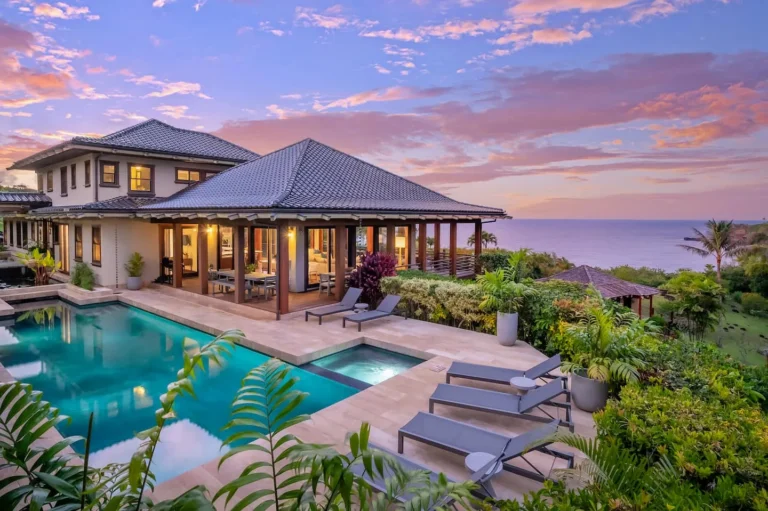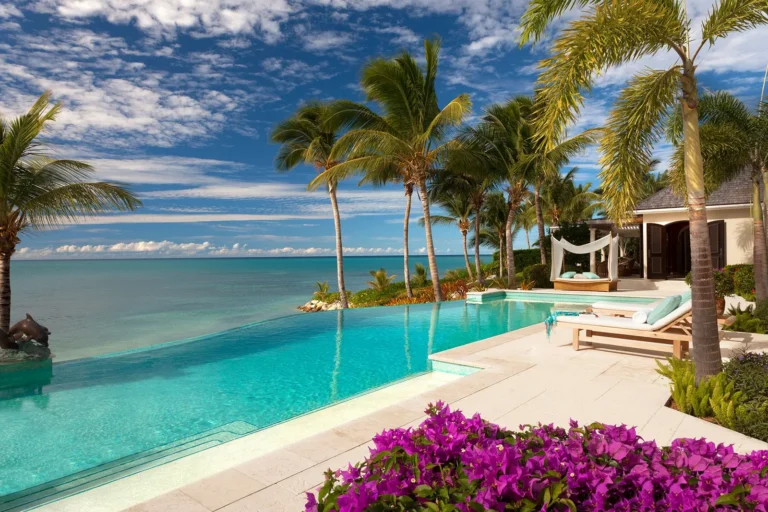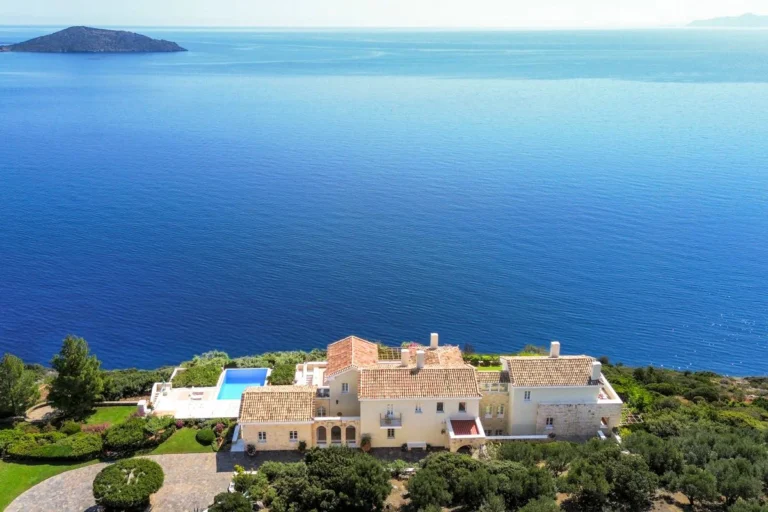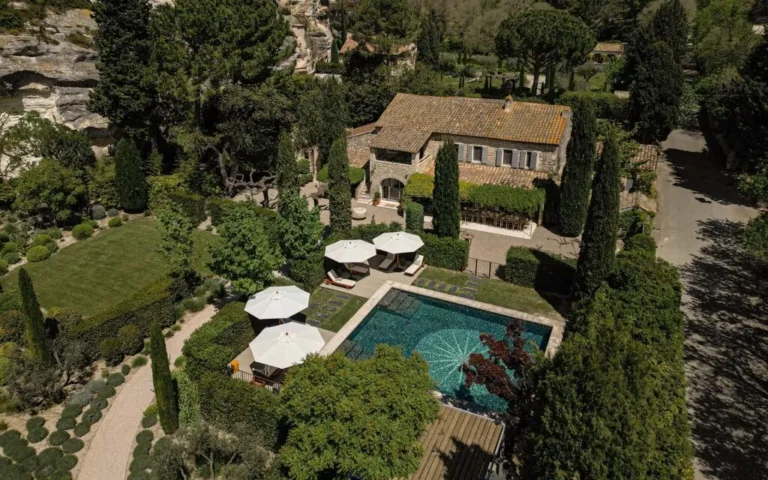
Lakefront Summer Villas America: Premium Luxury Rentals Guide
Top lakefront summer villas experience in america. The evolution of high-end domestic travel has fundamentally changed how premium seasonal properties are evaluated and utilized. Across the diverse geographic regions of the United States, waterfront estates serve as primary structural hubs for multi-generational gatherings, corporate retreats, and private escapes. The baseline criteria for these properties have shifted significantly over time. Simple water proximity is no longer sufficient to define a luxury experience. Today, sophisticated tenants and asset owners require a complex integration of architectural deliberate design, private shoreline infrastructure, and comprehensive operational management systems.
When exploring the top lakefront summer villas experience in america, navigating the market requires a granular understanding of regional micro-markets. Every specific lake system presents distinct regulatory environments, environmental factors, and structural archetons. For example, the deep alpine settings of Western lakes require completely different architectural and logistical considerations than the historic, glacial waters of the Northeast. Identifying a truly premium seasonal property demands a systematic analytical framework rather than relying on surface-level aesthetic marketing.
This editorial analysis serves as a definitive operational and conceptual reference for understanding the premium waterfront rental asset class. By looking beyond standard promotional narratives, we examine the underlying systems that govern property performance, guest experience design, and transactional risk. The following structural breakdown explores the strategic elements necessary to secure, manage, and optimize a world-class lakefront seasonal residency.
Understanding “top lakefront summer villas experience in america”
To correctly evaluate the top lakefront summer villas experience in america, the concept must be separated from standard vacation rental definitions. A true luxury lakefront villa is not merely a large house built near a body of water. Instead, it represents a highly specialized asset where indoor living spaces integrate seamlessly with a managed shoreline ecosystem. The entire ecosystem must operate reliably under high seasonal demand.
Common Analytical Errors
A frequent mistake made by renters and asset managers is evaluating properties solely by indoor square footage or secondary interior amenities. This narrow focus completely overlooks the critical operational variables that actually dictate the quality of a summer residency. A villa may feature premium interior finishes but fail as a luxury property if it lacks proper deep-water dock access during seasonal water draws. Similarly, poor orientation relative to prevailing summer wind patterns can severely degrade the outdoor experience.
Multi-Dimensional Realities
True programmatic mastery requires balancing three distinct dimensions:
-
The Technical Dimension: Managing specific marine infrastructure, advanced HVAC systems for high-humidity environments, and precise shoreline stabilization.
-
The Regulatory Dimension: Navigating strict local zoning rules, public trust doctrines, and environmental protection mandates.
-
The Experiential Dimension: Ensuring uncompromised acoustic privacy, optimized sightlines, and frictionless physical transitions between land and water.
When these three dimensions are not properly aligned, the utility of the property drops significantly, turning what should be a premium retreat into an operational burden.
Deep Contextual Background
The American luxury lakefront estate evolved through distinct socio-economic shifts and engineering milestones. During the late nineteenth and early twentieth centuries, the initial development of elite lakefront enclaves was driven by industrial expansion. Wealthy families established sprawling compounds in regions like the Adirondacks, Lake George, and the Chicago-accessible shorelines of Lake Geneva. These early properties were designed as self-sustaining compounds, built to shield extended families from urban environments for months at a time.
The Infrastructure Catalysts
Mid-twentieth-century infrastructure developments radically altered access patterns to these historic enclaves. The expansion of the Interstate Highway System and the growth of private civilian aviation compressed travel times significantly. Remote lakes that previously required a multi-day rail journey suddenly became accessible within hours from major metropolitan centers. This increased connectivity catalyzed a transition from traditional rustic lodges to highly sophisticated, winterized architectural estates.
The Institutional Shift
In recent decades, the market transformed from an exclusively private family asset class into a highly structured institutional real estate ecosystem. Advanced digital platforms, specialized property management firms, and institutional secondary-home capital changed how these properties are transacted and operated. Today, the top lakefront summer villas experience in america represents a multi-tiered hospitality asset class governed by rigorous performance metrics, explicit environmental standards, and global architectural benchmarks.
Conceptual Frameworks and Mental Models
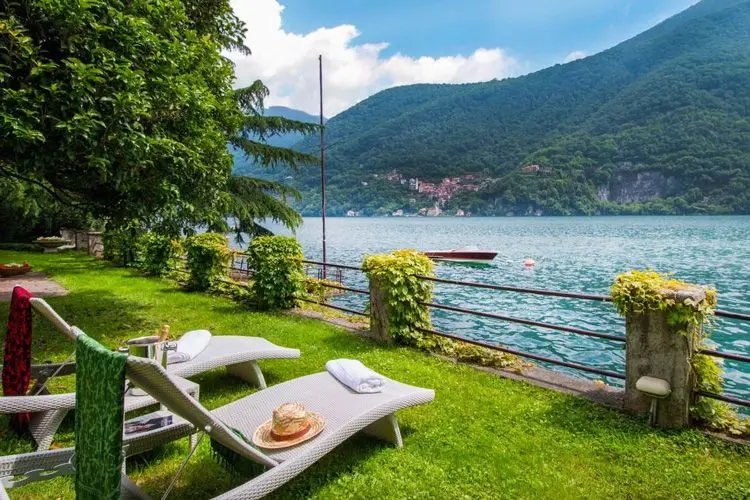
The Riparian Matrix Model
The Riparian Matrix Model serves as a foundational framework for evaluating premium lakefront properties. This model states that the total utility of a villa is directly determined by the interaction between its land-based architecture and its specific water access rights. A property cannot be considered a tier-one luxury asset if its physical design is disconnected from the shoreline, or if local regulations restrict private maritime operations.
The Thermal-Acoustic Buffer Model
This model analyzes how a property mitigates external environmental disturbances to maintain an isolated, premium environment. True luxury requires protecting guests from ambient watercraft noise, public beach crowds, and intense summer solar radiation. This isolation is achieved through strategic structural placement, native vegetation density, and advanced glazing technologies.
The Seasonal Multi-Generational Load Framework
This model evaluates a villa’s structural capacity to support several distinct demographic groups simultaneously. The physical layout must provide separate acoustic zones for younger children, private workspaces for adults, and accessible ground-floor living areas for elderly family members. Properties with single-volume layouts or poor acoustic isolation often fail under the friction of multi-generational use.
Key Categories and Regional Variations
Understanding the premium lakefront villa market requires analyzing the distinct geographic profiles across the United States. Each region features unique hydrological attributes, architectural styles, and operational constraints that directly shape the seasonal experience.
Alpine Glacial Lakes (e.g., Lake Tahoe, Crater Lake)
These deep, high-altitude bodies of water are characterized by exceptional clarity, cold water temperatures, and dramatic mountainous backdrops. Properties here focus heavily on indoor-outdoor transitions, utilizing large glass curtain walls and multi-tiered deck systems.
Interior Glacial Micro-Climates (e.g., Lake Finger Lakes, Lake Winnipesaukee)
Located primarily in the Northeast and Midwest, these lakes offer highly protected waters and long, irregular shorelines. The architecture tends to lean toward historic shingle-style estates and expansive classic compounds.
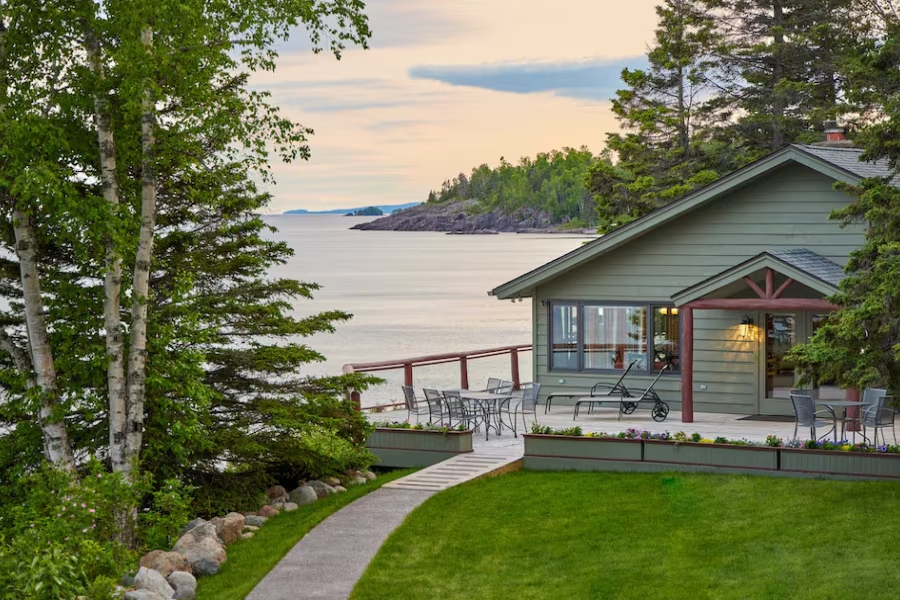
Great Lakes Marine Ecosystems (e.g., Lake Michigan, Lake Superior)
These massive inland seas experience true oceanic dynamics, including significant wave action, long horizons, and intensive beach erosion. Villas require robust coastal engineering, elevated foundations, and specialized weather-resistant materials.
Southern Engineered Reservoirs (e.g., Lake Lanier, Lake Oconee)
Characterized by warm water temperatures, significant seasonal water level fluctuations, and intricate red-clay shorelines. Properties require articulated floating dock systems and advanced, high-capacity HVAC units to manage extreme summer humidity.
Comparative Market Breakdown
Strategic Selection Logic
Choosing a specific lake region should follow a systematic analysis of operational requirements rather than visual preference alone. If a primary requirement is hosting large-scale watercraft activities with deep-draft vessels, alpine glacial lakes or specific deep reservoirs are required. Conversely, if long-term multi-generational privacy and quiet water environments are the priorities, smaller interior glacial lakes provide a much better environmental fit.
Detailed Real-World Scenarios
Scenario A: The Multi-Generational Alpine Gathering
A large family requires an extended July residency at a high-altitude alpine lake villa. The property must accommodate twelve individuals spanning three generations, with several members needing to work remotely during the day.
-
Crucial Constraints: High-altitude UV exposure, variable alpine night temperatures, and the need for dedicated professional workspaces with redundant high-speed connectivity.
-
Key Decision Points: The selection team chose a multi-level villa featuring independent zoned climate controls and acoustically isolated master suites. They secured a property with a private deep-water pier to avoid local marina crowding.
-
Potential Failure Modes: Failing to account for late-afternoon mountain wind patterns can make outdoor dining areas unusable due to rapid wind chill drops.
-
Second-Order Effects: The choice of a deep-water pier protected the family’s watercraft asset from sudden hull damage against exposed rocks during unexpected water level changes.
Scenario B: The Institutional Corporate Retreat
A technology firm secures a prominent waterfront compound on a Great Lakes shoreline for a strategic executive planning session during August.
-
-
Crucial Constraints: True marine weather fluctuations, open public beach boundaries, and strict acoustic privacy requirements for sensitive business discussions.
-
Key Decision Points: The corporate travel planner selected an elevated bluff property featuring a gated perimeter and private beach access. The villa included detached guest houses to ensure individual privacy for all attendees.
-
Potential Failure Modes: Sudden offshore storms can cause rapid beach erosion and render exposed outdoor presentation pavilions unusable if they lack proper structural enclosures.
-
Second-Order Effects: Choosing a highly secure, private bluff layout completely eliminated unauthorized drone or foot-traffic intrusions from adjacent public coastlines.
-
Planning, Cost, and Resource Dynamics
Operating or leasing a tier-one estate within the top lakefront summer villas experience in america involves a complex web of direct and indirect expenses. Financial planning must look beyond the base rental rate or purchase price to fully account for the unique operational realities of premium waterfront real estate.
Indirect and Variable Costs
Waterfront assets incur substantial operational overhead that standard luxury inland properties do not experience. Marine infrastructure maintenance, including dock adjustments, regular line inspections, and seaweed clearance, requires specialized local contractors. Furthermore, the high humidity and intense UV exposure characteristic of lakeside micro-climates accelerate material degradation. This environmental stress demands frequent repairs to exterior finishes, HVAC filtration systems, and electronic security components.
Estimated Capital Allocation Matrix
The Reality of Opportunity Costs
Securing a premier lakefront villa often requires long lead times, which locks up significant liquidity months before occupancy. This long-term capital commitment creates an opportunity cost that must be weighed against alternative global luxury asset classes. Additionally, strict local limits on watercraft licensing and dock capacities can restrict a user’s ability to deploy personal marine assets, creating frustrating operational bottlenecks.
Tools, Strategies, and Support Systems
Successfully managing a premium summer villa experience requires deploying specialized tools, strategic operational plans, and highly trained support teams.
-
Dedicated On-Site Property Manager: A single point of contact responsible for overseeing all technical, logistical, and hospitality systems throughout the residency.
-
Predictive Local Weather Monitoring: Utilizing localized weather stations to automatically adjust automated exterior shading, deploy dock boat lifts, and modify pool heating schedules before weather fronts arrive.
-
Integrated Marine Support Contracts: Retaining on-call marine mechanics and local captains to ensure private watercraft remain operational and safe without relying on public marina queues.
-
Advanced Remote HVAC Management: Deploying multi-zone smart thermostats equipped with relative humidity sensors to proactively prevent interior condensation and mold development.
-
Private Concierge Security Protocols: Coordinating with local law enforcement and private security firms to establish clear perimeter monitoring and manage maritime access points.
-
Regulatory Liaison Specialists: Hiring local compliance consultants to handle municipal noise ordinances, private event permits, and shoreline use regulations.
-
Eco-Friendly Waste Systems: Utilizing self-contained, odor-insulated waste containment systems that prevent local wildlife intrusions and comply with strict lakeside environmental laws.
Limits of Support Infrastructure
While these support systems are highly effective, they are ultimately limited by local municipal infrastructure. Remote lake regions often have limited electrical grid capacities and slower emergency response times compared to urban centers. A premium villa must therefore maintain structural self-sufficiency, utilizing on-site backup generators, independent water filtration systems, and redundant satellite communication arrays to ensure safety.
Risk Landscape and Failure Modes
The operational risk landscape of premium lakefront properties is complex, with environmental, regulatory, and mechanical systems deeply interconnected. A failure in one system can trigger a cascade of compounding issues that quickly degrades the property’s utility.
Environmental and Regulatory Risks
-
Littoral Erosion and Bank Instability: Uncontrolled wave action or sudden water level changes can rapidly erode shorelines. This erosion can destabilize private dock footings and threaten the structural integrity of foundations built near the water setback line.
-
Acoustic Privacy Violations: Amplified sound carries efficiently across open water. Public watercraft operating close to a private shoreline can easily compromise the acoustic privacy of outdoor living spaces, bypassing land-based security barriers.
-
Sudden Zoning and Access Shifts: Municipalities frequently update lakeside regulations, introducing new restrictions on motorized watercraft, short-term occupancy limits, or private dock configurations mid-season.
The Compounding Risk Effect
The danger of these risks increases significantly when multiple systems fail at the same time. For instance, a sudden seasonal water draw can lower lake levels, forcing private watercraft to dock in shallower areas. If an unexpected offshore storm hits at the same time, the vessels risk striking the lakebed, causing severe hull damage and leaving guests stranded without marine transport.
Governance, Maintenance, and Long-Term Adaptation
Preserving the long-term viability of a premium lakefront villa requires a strict, proactive maintenance and governance framework. Properties must be continuously monitored and systematically updated to withstand environmental wear and comply with changing local regulations.
The Multi-Tiered Adaptation Checklist
Pre-Season Phase
-
Complete a full structural inspection of all underwater dock pilings and floating hinge mechanisms.
-
Verify the calibration of advanced HVAC dehumidification systems and inspect all backup power generation systems.
-
Audit local maritime zoning updates to ensure all watercraft compliance stickers and dock permits are valid.
Active Season Phase
-
Check shoreline retaining walls and littoral zones weekly for early signs of erosion or soil displacement.
-
Test water filtration and purification systems every two weeks to guarantee safety against seasonal algal blooms.
-
Monitor ambient noise levels at property boundaries to maintain strict compliance with local municipal ordinances.
Post-Season Phase
-
Winterize all marine infrastructure, including lifting seasonal docks and storing watercraft in climate-controlled facilities.
-
Secure all exterior structures against heavy winter snow loads and wind-driven water damage.
-
Review seasonal operating data to identify and address systemic maintenance trends before the next summer season.
Measurement, Tracking, and Evaluation
Accurately evaluating the performance of a luxury lakefront villa requires tracking both quantitative technical data and qualitative experiential metrics. Property managers and owners should rely on clear performance indicators rather than subjective impressions to gauge property health.
Quantitative Metrics
-
HVAC Runtime and Indoor Dehumidification Efficiency: Tracking the time required to maintain target humidity levels ( RH) during peak summer heat waves.
-
Shoreline Stability and Elevation Metrics: Utilizing laser-guided topography tools to measure annual soil movement along waterfront banks and retaining walls.
-
Private Dock Downtime: Recording the number of hours marine infrastructure is unusable due to mechanical failures, low water levels, or weather damage.
Qualitative Metrics
-
Acoustic Isolation Ratings: Periodic assessments of ambient noise intrusion into primary living zones during high-traffic holiday weekends.
-
Indoor-Outdoor Flow Usability: Evaluating how easily guests move between land and water spaces without experiencing logistical friction or security bottlenecks.
Common Misconceptions and Oversimplifications
The Myth of Uniform Lake Water Quality
A frequent mistake is assuming that water quality and clarity remain constant across an entire lake system. In reality, water quality is highly localized, shaped by wind patterns, weed growth, and nearby stream runoffs. A villa situated in a stagnant shallow cove will offer a fundamentally inferior experience compared to a property positioned along a deep-water point with active natural circulation.
The Misunderstanding of Public Trust Doctrines
Many renters and buyers incorrectly assume that owning or leasing a luxury waterfront estate grants exclusive control over the adjacent water surface. In the United States, public trust doctrines generally dictate that navigable waters remain accessible to the public up to the ordinary high-water mark. True privacy therefore depends on clever architectural setbacks, elevated outdoor living spaces, and dense native landscaping rather than relying on legal exclusion zones.
The Illusion of Maintenance-Free Waterfront Living
Some property operators believe that high-end contemporary materials completely eliminate the need for regular seasonal maintenance. However, the combined forces of intense water reflections, high humidity, and shifting shorelines affect even the most durable modern composites. Regular professional upkeep remains absolutely essential to prevent premature wear and protect the property’s long-term value.
Ethical, Practical, and Contextual Considerations
Enjoying the top lakefront summer villas experience in america brings important responsibilities regarding local environmental stewardship and community preservation. Large waterfront estates consume significant resources and alter shorelines, meaning their development and operation can directly impact fragile lakeside ecosystems.
Local Ecological Impact
Property owners and guests must carefully manage their environmental footprint to preserve the long-term health of the lake. Runoff containing fertilizers, landscaping chemicals, or poorly managed wastewater can quickly trigger toxic algal blooms, damaging water clarity and harming local aquatic life. Preserving natural shoreline vegetation acts as a vital buffer, filtering runoff and preventing soil erosion. Additionally, watercraft must be operated responsibly; minimizing wake production near shorelines protects fragile nesting habitats and prevents bank erosion.
Community Dynamics
Luxury lakefront enclaves often exist alongside historic, permanent local communities. Operational strategies should aim to minimize disruptions by managing seasonal traffic, controlling ambient noise, and respecting local public spaces. By sourcing services, construction, and provisions from local businesses, property operations help support a healthy, balanced regional economy. This thoughtful approach ensures that premium waterfront assets remain a positive, integrated part of the broader lakeside community.
Conclusion
Securing and enjoying a premier seasonal property within the top lakefront summer villas experience in america requires a careful balance of geographical insight, technical expertise, and proactive management. As shown throughout this analysis, a truly exceptional lakeside residency is built on more than just high-end interior design or scenic water views. It relies on the seamless integration of well-designed marine infrastructure, climate-resilient architecture, and strict adherence to local environmental and zoning regulations.
By applying clear analytical models like the Riparian Matrix and establishing structured maintenance routines, property owners and seasonal tenants can successfully navigate the unique challenges of waterfront real estate. This systematic approach protects valuable investments from environmental wear, minimizes operational downtime, and ensures uncompromised privacy and safety. Ultimately, mastering these hidden technical and operational layers is what transforms a beautiful waterfront house into a world-class, enduring summer sanctuary.