Thermodynamic Optimization and Resource Allocation Frameworks for Summer Villas Utility Bills Control
How to reduce summer villas utility bills. The management of premium seasonal real estate inventory requires balancing tenant luxury expectations with operational efficiency. During high-intensity summer occupancy periods, luxury coastal and rural estates experience severe compounding infrastructure stress. This mechanical strain is caused by high ambient temperatures working alongside high-volume resource use by guests. Large architectural volumes, high ceilings, expansive glass facades, and extensive outdoor amenities often amplify baseline energy draw. When these architectural features are run without strict resource-tracking systems, monthly operating costs can escalate dramatically.
Resolving these spikes in overhead requires looking past simple behavior adjustments to interrogate underlying building envelope thermodynamics and fluid dynamics. Most structural utility inflation is not caused by guest negligence, but by invisible mechanical inefficiencies within older property sub-systems. For example, a single poorly insulated pump or a slightly miscalibrated chiller unit can quietly double baseline power usage. During extreme summer heatwaves, these hidden subsystem inefficiencies multiply across connected power, water, and irrigation networks. If left unmanaged, this compounding operational drain can erode net seasonal yields for property holding companies.
Consequently, building an effective resource conservation strategy requires analyzing several overlapping physical and behavioral systems. Local microclimate variations, regional utility rate pricing structures, and specialized building materials all shape an estate’s baseline resource draw. How to reduce summer villas utility bills. A remote cliffside villa facing strong ocean winds presents entirely different cooling challenges than an inland estate exposed to stagnant valley heat. This systematic investigation detail the mechanical frameworks, automated tracking systems, and physical retrofits needed to achieve lasting resource efficiency.
Understanding “how to reduce summer villas utility bills”
Mastering the precise mechanical protocols of how to reduce summer villas utility bills requires a total rejection of superficial conservation checklists. In standard property management, reducing resource drain is often incorrectly simplified down to turning off lights or adjusting smart thermostats. True operational efficiency is only achieved when the property’s physical thermal boundary is completely sealed against extreme external climate conditions. This systematic engineering approach prevents outside thermal energy from overriding the internal climate control systems, keeping baseline power demand low.
Deconstructing Thermal Envelope Dynamics
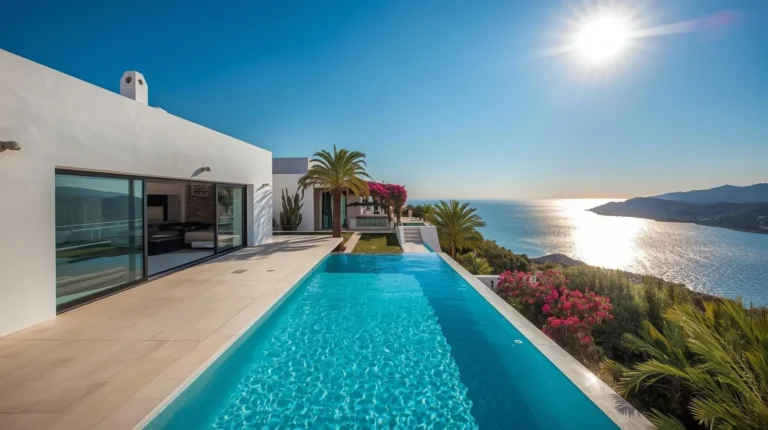
A common mistake in seasonal estate operation is relying on standard retail climate control equipment to cool vast architectural spaces. High-end custom villas frequently use extensive glass panels to highlight scenic views, which can inadvertently create a greenhouse effect indoors. When these spaces lack high-performance low-emissivity glass coatings, interior radiant heat levels rise rapidly during long summer afternoons. Property managers can address this thermal vulnerability by applying advanced ceramic thermal barriers directly onto all exposed west-facing glass surfaces.
Enforcing Multi-Zone System Control
Furthermore, protecting a large estate from runaway utility bills requires isolating unused wings from the central cooling loop. Traditional forced-air infrastructure often cools an entire house uniformly, wasting substantial energy on empty guest rooms and storage spaces. If these zones lack independent motorized dampers and localized sensors, they will continue to draw chilled air unnecessarily. By installing dedicated variable refrigerant flow setups, operators can cut off cooling to empty rooms completely without affecting occupied suites.
Historical Architecture and the Engineering Evolution of Estate Mechanics

Vernacular Thermal Strategy
The physical layouts of modern luxury villas evolved from traditional Mediterranean and desert architectural styles developed centuries ago. In those early structures, thick stone walls and deep shaded courtyards were used to naturally regulate interior temperatures without mechanical aid. High ceilings pulled warm air away from living areas, while narrow windows kept intense summer sunlight from overheating the stone floors. This passive approach provided excellent thermal stability by using dense building materials to absorb daytime heat and release it slowly overnight.
The Centralized Cooling Shift
During the mid-twentieth century expansion of residential electrical grids, architecture shifted toward open-concept designs reliant on centralized air conditioning. This technological change allowed architects to build expansive glass villas anywhere, using raw electrical power to override regional climate challenges. However, these early systems relied on fixed-rate compressors that consumed maximum electricity every time they turned on, creating high baseline operating costs. This design era created a long-term reliance on heavy power consumption that still impacts modern seasonal properties.
The Automated Microgrid Environment
Modern villa management combines passive structural design with advanced local power generation systems, such as rooftop solar arrays and smart battery storage. Today’s high-performance properties use automated building management systems to continuously balance power consumption against real-time solar generation levels. While these smart systems can reduce reliance on local power grids, they still require regular calibration to prevent software communication drops. Contemporary facility managers must combine these digital tracking tools with regular physical maintenance to ensure the home operates efficiently.
Thermodynamic Validation Frameworks and Micro-Grid Load Models
To determine if a luxury property is operating efficiently during peak summer months, building engineers use specialized thermal validation models. These analytical frameworks identify hidden energy leaks before they lead to excessive utility bills.
The Thermal Coefficient Variance Index (TCVI)
The Thermal Coefficient Variance Index measures how effectively a villa’s building envelope limits heat transfer during peak sunlight hours. This mathematical framework evaluates insulation performance values, window solar heat gain ratings, and wall construction density.
The Dynamic Load Shifting Model
This model evaluates energy efficiency by tracking how well a property shifts high-power tasks away from peak utility pricing hours. The highest efficiency ratings are given to villas that run pool filtration and ice production systems during early morning solar surplus windows. This automated scheduling prevents the property from drawing expensive grid power during peak afternoon rate periods, significantly lowering overall utility bills.
The Hydronic Efficiency Optimization Model
This framework monitors energy usage by analyzing the fluid dynamics and pump performance inside central water-chilled cooling networks.
To achieve an optimal efficiency rating, a property’s circulation pumps must use variable frequency drives that adjust water flow based on real-time temperature changes. This automated adjustment prevents the pump motors from running at maximum speed when cooling demands are low, saving significant electricity.
Infrastructure Subsystems and Resource Demand Typologies
Properties that fit within a professional strategy for how to reduce summer villas utility bills rely on modern infrastructure designs to manage their resources.
Variable Refrigerant Inverter Systems
Common in modern premium estates, these setups use variable-speed compressors to match cooling output precisely with changing indoor temperatures. By avoiding the constant on-and-off cycling of traditional compressors, these systems keep indoor climates stable while using a fraction of the electricity. The main drawback is the high upfront cost of these advanced multi-split components, which requires several years of operation to offset.
Centralized Chilled Water Loops
Often used in expansive compound properties, this method circulates chilled water through an insulated pipe network to individual air handlers located across the estate. Because water holds thermal energy much more effectively than air, these systems move cooling across vast distances with minimal energy loss. However, these networks require regular chemical water treatments and professional pump tuning to prevent performance-robbing scale buildup inside the pipes.
Closed-Loop Earth-Coupled Geothermal Exchange
Typically found in forward-thinking custom estates, this model pipes water through deep underground loops to use the earth’s stable sub-surface temperature for cooling. This natural heat exchange process allows the property to reject indoor heat into the cool ground, bypassing the need for loud, energy-hungry outdoor fans. While this architecture offers unmatched long-term efficiency, it requires substantial open land area and specialized deep drilling during construction.
Open Pool Evaporative Systems
This basic approach cools outdoor living pavilions by spraying a fine mist of water into the air to lower ambient temperatures through evaporation. While these setups require minimal electricity, they consume substantial volumes of fresh water, which can rapidly increase water bills in dry coastal regions. Managing these systems efficiently requires using automated timers linked to local humidity sensors to prevent water waste on humid days.
Operational Breakdown Scenarios and Compounding Resource Failures
Analyzing real-world operational breakdowns highlights how minor mechanical issues and unmonitored settings can quickly escalate into extremely high utility bills.
Scenario A: The Short-Cycling Compressor Cascade
A luxurious private villa located in the hills of Marbella features a large centralized air conditioning system running without multi-zone controls.
-
Systemic Constraints: The main condenser unit uses an older fixed-speed compressor that requires a high electrical draw every time it starts up.
-
Operational Decision Point: Guests leave large sliding glass patio doors wide open during a hot afternoon to connect the indoor living room with the pool deck.
-
Systemic Failure: The constant influx of hot, humid air prevents the central thermostat from reaching its target temperature, causing the system to run constantly at maximum power.
-
Second-Order Outcomes: The cooling coils freeze over completely due to continuous operation, stopping all airflow and requiring an expensive emergency mechanical repair.
Scenario B: The Undetected Irrigation Leak
An expansive estate in Tuscany features formal gardens, olive groves, and a large infinity-edge swimming pool, all supplied by an unmonitored water main.
-
Systemic Constraints: The underground irrigation pipe network is buried deep beneath manicured lawns, hidden completely from view.
-
Operational Decision Point: An underground pipe fitting cracks under a driveway due to ground shifting during an early summer heatwave.
-
Systemic Failure: Because the system lacks flow-monitoring alarms, the automated pumps run for hours, pumping thousands of gallons of water into the soil.
-
Second-Order Outcomes: The property suffers a massive spike in its monthly water bill, alongside structural damage to the driveway foundation from the underground flooding.
Macro-Economic Energy Dynamics and Cost-Recovery Projections
Successfully managing seasonal real estate expenses requires a clear understanding of regional utility rate structures and how they impact operating costs.
Direct Grid Reliance vs. Solar Battery Storage Optimization
Direct grid power dependence during hot summer afternoons exposes property owners to peak tier utility pricing structures. When a villa draws all its energy from the local grid during high-demand hours, operating costs rise significantly due to time-of-use surcharges. Installing on-site solar storage allows properties to store clean energy during the morning and use it to power heavy cooling loads during expensive afternoon periods.
Amortization Schedules and Structural Upgrades
To justify the cost of major energy efficiency upgrades, property owners should calculate clear payback timelines across all planned improvements. Investing in high-performance retrofits, such as multi-layer roof insulation or variable-speed pool pumps, often generates substantial monthly utility savings. These continuous savings allow owners to fully recover their initial installation costs within a few summer rental seasons.
Tactical Engineering Tools and Automated Diagnostics
Dismantling hidden resource waste requires using proactive monitoring tools and working directly with local facility engineers.
Real-Time Sub-Meter Monitoring
Property managers can easily spot hidden energy waste by installing digital sub-meters on high-power circuits like pool heaters and guest wings. If a sub-meter shows high power usage in an empty guest suite, it indicates that climate control systems are running unnecessarily. Discovering these usage mismatches early allows property teams to turn off systems in vacant areas before energy costs mount.
Ultrasonic Fluid Flow Diagnostics
Before the summer rental season starts, facility teams should use ultrasonic flow meters to inspect all main water supply lines for hidden leaks. These non-invasive testing tools measure water movement through solid pipes, allowing technicians to pinpoint underground leaks without digging up landscaping. Fixing these hidden water leaks early protects properties from surprise utility charges and helps preserve local water resources.
Integrated Building Management Systems
Achieving lasting energy efficiency requires connecting an estate’s mechanical equipment into a single, unified building management platform. This centralized software allows managers to coordinate solar power generation, HVAC schedules, and pool filtration runs based on real-time weather forecasts. Linking these systems ensures the home automatically adapts to changing weather conditions, maintaining comfort while keeping utility usage low.
Resource Waste Risk Taxonomy and Environmental Vulnerabilities
The combination of aging mechanical equipment, extreme summer weather, and changing guest usage patterns creates unique operating challenges for premium villas.
The Mechanics of Air Duct Leaking
Air duct leakage happens when flexible duct connections crack or separate inside hot attic spaces due to long-term heat exposure. When these structural joints fail, a significant portion of cooled air escapes into unconditioned crawlspaces before reaching the living areas. This structural loss forces air conditioning systems to run much longer to cool the home, driving up monthly electricity bills.
Multi-Pump Operational Wear
Many large luxury properties operate expansive pool features and fountains using standard single-speed filtration pumps without automated timers. Over time, worn internal bearings and clogged filters cause these pump motors to draw excessive electricity to move water. Property owners can address this hidden energy drain by upgrading to modern variable-speed pumps and cleaning filters regularly to reduce motor strain.
Continuous Property Governance Protocols and Seasonal Checklists
Maintaining complete control over seasonal estate expenses requires a disciplined approach to mechanical maintenance before guests arrive.
Pre-Season Calibration Timelines
Running comprehensive mechanical system checks well before the summer heat arrives helps property teams catch and fix hidden inefficiencies early. Technicians should inspect air conditioning units, pool machinery, and irrigation valves at set intervals, such as sixty days and thirty days before peak season. This proactive maintenance schedule ensures all equipment operates at peak efficiency before guest arrivals increase resource demands.
Measurement Quantification, Consumption Logs, and Balancing Ledgers
Property managers use a balanced combination of digital tracking tools and regular physical audits to monitor resource efficiency and prevent utility spikes.
Leading vs. Lagging Consumption Indicators
A lagging indicator measures resource usage after it has occurred, such as reviewing an expensive monthly electric bill. A leading indicator monitors real-time system performance to catch waste early, such as tracking daily kilowatt-hour draws or checking water flow rates. Monitoring these early indicators allows facility teams to fix mechanical issues before they turn into costly billing surprises.
Digital Resource Efficiency Records
Every maintenance update, sub-meter reading, and equipment calibration should be logged in a centralized digital property management journal. These detailed entries track system model numbers, current runtime hours, fluid pressures, and the names of the technicians who performed the work. Keeping an accurate history of equipment performance helps owners track energy-saving trends and plan future system upgrades effectively.
Operational System Maintenance Logs
-
Log Entry 702: Inspected all central air handler coils; cleared accumulated dust and confirmed air output temperatures match equipment specifications.
-
Log Entry 745: Reprogrammed master irrigation controllers; restricted landscape watering schedules to early morning hours to minimize water evaporation.
-
Log Entry 791: Calibrated solar inverter battery storage limits; set system to power main guest suites during peak afternoon utility rate windows.
Deconstructing Traditional Facility Management Myths and Fabric Fallacies
Standard property maintenance advice often spreads several technical misconceptions that can prevent owners from effectively lowering utility costs.
The Deep Setback Fallacy
A common mistake during hot weather is turning air conditioning systems completely off when guest rooms are vacant for a few days. In reality, allowing a house to heat up completely causes structural walls and furniture to absorb substantial thermal energy. When the system is turned back on, it must run at maximum power for hours to remove this stored heat, erasing any expected energy savings.
The Extreme Low Temperature Fallacy
Many travelers believe that dropping a thermostat down to its lowest setting will cool a warm room much faster. However, standard air conditioning systems deliver cooled air at the same constant rate regardless of the temperature setting on the wall. Setting an artificially low target simply forces the system compressor to run continuously past comfortable levels, wasting electricity without speeding up the cooling process.
Resource Conservation Socio-Legal Frameworks and Utility Mandates
Navigating local environmental rules and building codes is an essential part of upgrading a luxury property’s energy infrastructure.
Enforcing Green Building Standards and Compliance
In many popular coastal destinations, local governments enforce strict water conservation rules and energy efficiency mandates on large private homes. Properties that exceed local resource allowances during drought seasons face steep utility surcharges and potential legal fines. Upgrading to high-efficiency equipment ensures compliance with regional environmental standards, protecting owners from unexpected regulatory penalties.
Accessing Renewable Energy Surcharges and Rebates
Many regional utility companies offer substantial financial incentives and tax credits to help property owners install solar panels and energy storage. These green energy programs significantly lower the upfront cost of deploying modern renewable hardware across an estate. Taking advantage of these utility rebates helps owners accelerate their investment payback timelines while building a cleaner, more self-reliant property infrastructure.
High-Performance Estate Management Strategies
Successfully lowering seasonal operating costs while mastering how to reduce summer villas utility bills requires combining smart mechanical maintenance with high-quality structural upgrades. Premium vacation homes offer a wonderful setting for summer hosting, but managing them efficiently demands moving away from basic habits toward advanced building engineering. From regular duct inspections to smart solar energy balancing, every asset layer must be optimized to handle peak summer conditions cleanly.
True long-term utility savings are built directly into a property’s walls, windows, and mechanical systems. How to reduce summer villas utility bills. By applying reflective window films, switching to variable-speed circulation pumps, and setting up automated zone controls, owners can protect their investments from rising utility rates. When smart infrastructure choices and disciplined preventative maintenance work together, a luxury summer villa operates cleanly, efficiently, and cost-effectively all season long.