Managing Summer Villa Security Risks: High-End Property Protection Guide
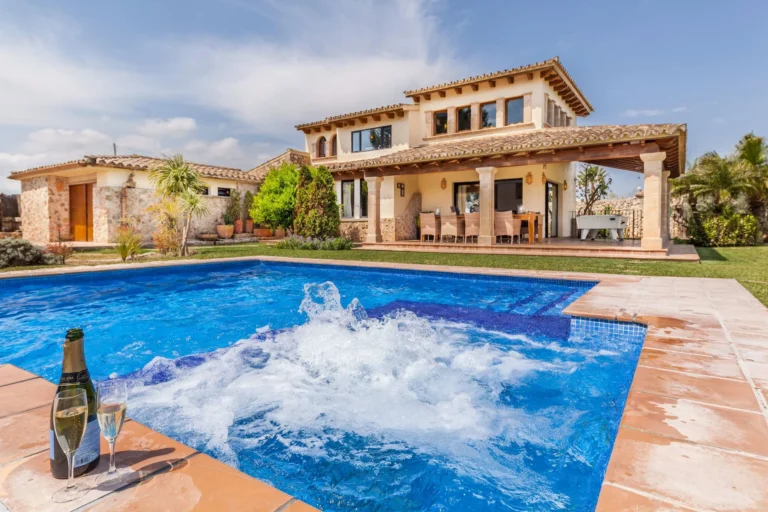
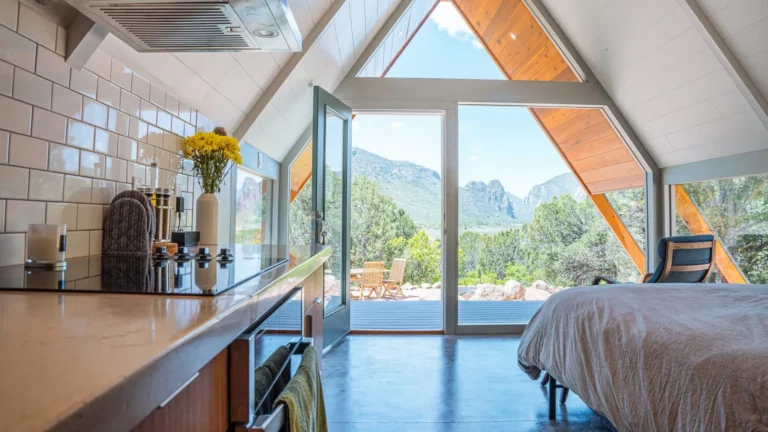
How to manage summer villas security risks. The architectural allure of a summer villa lies in its deliberate isolation, expansive glass facades, and seamless integration with rural, coastal, or alpine landscapes. These same design elements, however, introduce complex vulnerabilities that standard residential security protocols fail to address. A seasonal property remains vacant for months at a time, transforming it into a high-value target for sophisticated burglary rings, localized vandalism, and environmental degradation. Managing these environments requires shifting away from reactive, hardware-focused thinking toward a holistic asset-protection model.
Property owners frequently underestimate the transitional risks associated with seasonal occupancy. When a villa shifts from active family use to total dormancy, its vulnerability profile changes instantly. The arrival of maintenance crews, catering staff, and short-term guests creates an ongoing rotational footprint that complicates access control and identity verification. Without a rigorous framework, the overlapping distribution of keys, entry codes, and structural oversights can expose vulnerabilities that technical perimeter systems cannot fix on their own.
Securing a luxury seasonal estate requires analyzing the intersection of physical architecture, local geography, and digital infrastructure. A truly robust system balances invisible, highly restrictive perimeter controls with a lifestyle that remains unburdened by overt security measures. The objective is to design and maintain a dynamic defensive posture. This system must protect structural integrity, digital privacy, and physical safety, ensuring resilience against both human threats and environmental hazards during long periods of absence.
Understanding “how to manage summer villas security risks”
To understand how to manage summer villas security risks, property owners must look beyond basic alarm systems and smart-home gadgets. The core challenge stems from the unique operational profile of a seasonal estate. Unlike a primary residence, which benefits from daily human occupancy and predictable local routines, a summer villa experiences extreme shifts in activity. It transitions between high-density occupancy and complete isolation. This lack of a consistent human presence removes the primary layer of organic detection, giving intruders the time they need to bypass physical barriers.
A common misunderstanding is the belief that remote digital surveillance provides absolute protection. While high-definition cameras and mobile alerts offer real-time visibility, they remain fundamentally passive tools. If a villa is located forty minutes away from the nearest private security response hub or local police station, a real-time notification of a breach simply allows the owner to watch a crime occur from afar. True risk management coordinates active physical delays with reliable verification mechanisms and rapid, professional physical response capabilities.
Oversimplifying this issue usually leads to an over-reliance on visible deterrents, like prominent cameras or perimeter fencing. Sophisticated criminal networks often view these overt measures as confirmation of high-value internal assets. They analyze camera placement to map blind spots and use tech tools like Wi-Fi jammers to take down wireless security networks. Therefore, managing these risks requires a multi-layered approach. Security measures must be woven into the property’s natural landscaping, architectural design, and operational routines.
Deep Contextual Background of Seasonal Estate Vulnerabilities
The risk profile of premium seasonal real estate has evolved significantly over the past few decades. Historically, summer villas faced risks that were largely opportunistic, consisting of seasonal vandalism, low-level trespassing, or simple weather-related damage. Property protection relied heavily on basic locks, shutters, and sporadic check-ins by local caretakers. The isolation of these properties served as a natural shield, keeping them hidden from large-scale criminal attention.
The Shift in Criminal Profiling
The growth of global luxury real estate and online vacation rental platforms has completely changed this dynamic. Digital mapping, satellite imagery, and public rental calendars give modern criminal syndicates unprecedented access to high-value targets. Digital footprints allow bad actors to verify a property’s layout, evaluate its entry points, and track periods of vacancy without ever setting foot on the street. This shift has turned property security into an active battle against targeted, well-planned operations.
Technocentric Vulnerabilities
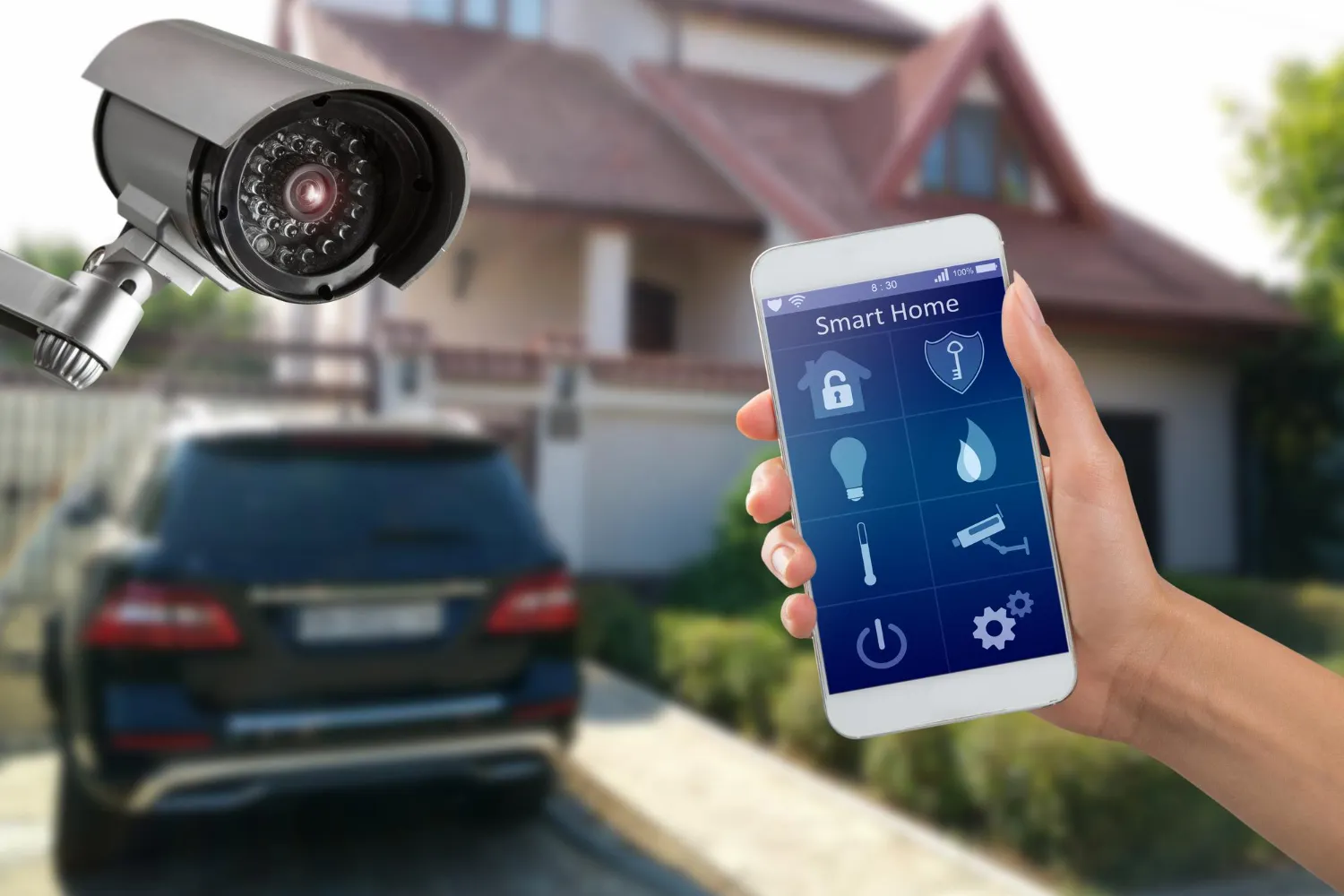
At the same time, the rapid adoption of connected smart-home technology has introduced a new layer of vulnerability. Modern villas feature integrated systems that control lighting, climate, access, and entertainment networks. While these features add convenience, they also expand the digital attack surface of the home. A poorly secured internet router or an unencrypted smart lock can allow remote hackers to disable physical alarms, providing clean entry for physical intruders.
Conceptual Frameworks and Mental Models for Property Protection
1. The Defense-in-Depth Model
The Defense-in-Depth framework views estate security as a series of concentric, specialized layers. Rather than relying on a single robust barrier, this model forces an intruder to bypass multiple independent obstacles. The primary objective is to steadily drain an adversary’s time, tools, and technical capabilities before they can reach the property’s core assets.
-
Outer Perimeter: Natural obstacles, biometric gates, and smart boundary sensors.
-
Inner Perimeter: Thermal cameras, ground radar, and intelligent exterior lighting.
-
Structural Envelope: High-security doors, laminated glass, and early-warning vibration sensors.
-
Interior Core: Motion sensors, isolated secure rooms, and localized asset safes.
2. The Time-to-Delay vs. Time-to-Respond Equilibrium
This mental model establishes that a physical security barrier is only useful if its delay time exceeds the response time of emergency services. If a high-security door takes fifteen minutes to breach, but the private security team requires twenty-five minutes to arrive, the system will fail.
Owners must continuously optimize this equation by increasing physical delay times or shortening verification and dispatch intervals.
3. The Operational Security (OPSEC) Lifecycle
The OPSEC model shifts the focus away from physical hardware toward information control. It presumes that security breaches are caused by information leaks regarding occupancy schedules, interior layouts, and alarm codes.
By managing digital footprints, using non-descriptive rental listings, and limiting access privileges, owners can prevent bad actors from building an accurate profile of the estate.
Key Categories of Security Variations and Property Configurations
Every seasonal villa features structural and geographic realities that dictate its specific threat profile. A remote cliffside villa faces completely different risks than a property located within a gated coastal community.
Geographic Typologies
-
Isolated Rural/Alpine Estates: These properties face extended emergency response times and enjoy absolute privacy, which gives intruders long, uninterrupted operational windows.
-
Coastal/Beachfront Frontages: Exposed to public access routes along open water, these properties require specialized, corrosion-resistant outdoor hardware.
-
Suburban Gated Enclaves: While these homes benefit from shared gatehouses and communal patrols, they often suffer from relaxed individual property perimeters and shared network vulnerabilities.
Structural Typologies
-
Historic/Heritage Stone Villas: These buildings feature thick, secure structural walls but suffer from non-standard window sizes and legacy entryways that resist modern lock retrofits.
-
Modern Minimalist Steel-and-Glass Pavilions: While easily integrated with modern automated systems, their expansive glass walls require expensive, heavy-duty structural glazing to resist forced entry.
Comparative Structural Security Framework
Realistic Decision Logic
When choosing a security architecture, property owners must analyze the conflict between design aesthetics and structural defense. For example, installing heavy steel security bars on a clean, modern beachfront villa destroys the home’s open architectural connection to the ocean.
In this scenario, the logical choice is to install hidden structural solutions, such as invisible impact-resistant laminates on the glass, combined with long-range thermal sensors hidden within the landscaping. This maintains the clean design while ensuring the property cannot be easily breached.
Detailed Real-World Scenarios and Operational Failures
Scenario 1: The Smart-Home Network Breach
An ultra-modern villa located in an exclusive Mediterranean destination was targeted by an organized group using digital exploitation tools. The property used a consumer-grade Wi-Fi network to connect its exterior surveillance cameras, motorized gate controls, and smart main door locks.
-
The Vulnerability: The network was left on its factory-default administrator credentials after a routine maintenance check.
-
The Breach Method: The attackers parked nearby, mapped the local wireless network, and easily logged into the router. They disabled the perimeter cameras and unlocked the primary entrance without triggering any physical alarms.
-
Second-Order Effects: The local security company received no alerts because the system showed a manual, authorized entry code. The entire interior was cleared out over a four-hour window, and the digital insurance policy was voided due to a lack of physical signs of forced entry.
Scenario 2: The Extended Off-Season Environmental Cascade
A mountain villa in an alpine resort was closed up for the winter season. The owners relied entirely on a remote smartphone application to monitor internal temperature, water mains, and motion alerts.
-
The Vulnerability: An early winter storm knocked out local power lines. The property lacked a secondary generator, leaving it reliant on short-term backup batteries.
-
The Failure: The backup batteries drained within twenty-four hours, taking the smart monitoring system offline. Without real-time alerts, the owners assumed the system was simply suffering from a typical regional internet outage.
-
The Consequence: The internal heating stopped, causing water pipes to freeze and burst. Water flowed unchecked through three floors for three weeks, causing catastrophic structural rot and mold that required a complete interior rebuild.
Scenario 3: The Staff-Credential Rot Escalation
A large coastal estate was rented out to high-net-worth clients via boutique agencies during the peak summer months. Over three seasons, physical keys and digital gate access codes were handed out to clean-up crews, catering companies, temporary concierges, and rental parties.
-
The Vulnerability: The property lacked a unified credential management system. Master keys were regularly duplicated without authorization, and gate codes remained unchanged for years.
-
The Breach Method: A former seasonal employee sold an active master gate code and a duplicated kitchen door key to a local burglary ring. The break-in was executed two months into the quiet winter off-season.
-
Second-Order Effects: The intruders spent two full days inside the property, systematically removing built-in art installations and copper piping. The insurance claim was heavily contested because there was no proof of forced entry, creating a multi-year legal battle over asset valuation.
Planning, Cost, and Resource Dynamics
Implementing a reliable system to manage summer villas security risks requires balancing upfront capital investments against long-term operational costs. Security infrastructure should not be viewed as a one-time purchase. It is an ongoing operational commitment that demands regular funding, testing, and professional refinement.
Capital Expenditure (CAPEX) vs. Operational Expenditure (OPEX)
Upfront capital costs cover physical structural improvements, such as high-security glass, reinforced entry frames, and core wiring for dedicated security networks.
Operational expenditures cover monthly monitoring fees, dedicated guard dispatch contracts, bi-annual hardware audits, and regular onsite property checks by verified local management firms.
Multi-Year Resource and Expense Projection
Hidden and Opportunity Costs
Property owners should look closely at hidden costs, particularly those tied to system complexity. High-end automation systems often require specialized technical teams for simple software updates or sensor recalibrations.
If a system throws frequent false alarms due to wildlife or wind, local law enforcement may fine the owner or downgrade the property’s emergency response priority.
Tools, Strategies, and Support Systems
Deploying an effective security strategy requires a smart mix of physical hardware, digital isolation, and local human networks. Each tool must be chosen to minimize specific vulnerabilities without creating dependencies that can be easily exploited.
-
High-Security Cylinder Locks: Deploy mechanical lock profiles with restricted keyways. This prevents unauthorized duplicate keys from being created at standard commercial kiosks.
-
Vibration and Shock Sensors: Install sensors directly onto glass windows and door frames. This triggers alarm systems while intruders are trying to break in, rather than waiting for them to walk past an interior motion detector.
-
Dedicated Power Redundancy: Install an onsite automated backup generator coupled with a commercial-grade Uninterruptible Power Supply (UPS). This architecture keeps all cameras, gates, and internal security systems fully operational during extended local power outages.
-
Network Segregation: Create completely isolated Virtual Local Area Networks (VLANs). This keeps smart appliances, guest Wi-Fi access, and primary security cameras on separate networks, preventing a compromised appliance from exposing the security hub.
-
Thermal Perimeter Imaging: Use long-range outdoor thermal cameras rather than standard optical motion sensors. Thermal hardware identifies human body heat through dense coastal fog or heavy nighttime shadows, drastically reducing false alarms caused by wind or vegetation.
-
Automated Main Water Shutoffs: Integrate a smart motorized shutoff valve directly into the primary water main. The system automatically cuts off water when flow sensors detect unusual, sustained pressure drops, preventing catastrophic flooding during vacant periods.
-
Encrypted Key Storage Enclosures: Avoid using standard mechanical code boxes mounted near exterior walls. Use heavy steel key safes equipped with dynamic, time-limited digital access codes that are tracked by an offsite security provider.
Risk Landscape and Compounding Failure Modes
The primary danger to a vacant luxury real estate asset is the cascading failure mode, where a single minor breakdown triggers a chain reaction of systemic damage. In security design, risks rarely happen in isolation; they build on each other to create complex emergencies.
Consider the intersection of a seasonal weather event and physical access infrastructure. If an extended heatwave triggers a regional power outage, a villa’s backup battery systems will eventually run out. If the electronic main perimeter gates are designed to open automatically during power loss to allow emergency access, the property’s outer boundary falls open exactly when its monitoring network goes dark. This creates an open invitation for opportunistic local property crimes.
Another common compounding risk involves managing construction crews during off-season renovations. Contractors frequently leave auxiliary windows unlocked or disable localized motion sensors to make their daily access easier. If these actions are not audited daily by an independent property manager, the property remains vulnerable long after the workmen leave the site for the weekend.
Governance, Maintenance, and Long-Term Adaptation
To keep an estate security architecture functional over time, owners must treat it as an evolving system. Security configurations deteriorate without rigorous maintenance, leaving properties vulnerable to sophisticated threats.
Seasonal Transition Protocol
A villa requires a formal check-in and check-out protocol whenever its occupancy status changes. When closing the property for the season, owners must revoke all temporary digital entry codes, change physical lock boxes, run diagnostic tests on backup power systems, and physically lock down all interior security doors to isolate individual wings of the house.
The Layered Maintenance Audit Checklist
-
Every Month: Review offsite connection logs, test battery health across all wireless window sensors, and clear away landscaping that blocks camera lines of sight.
-
Every Six Months: Recalibrate perimeter thermal sensors, flush out backup fuel generator lines, update router and security hub software, and audit master key distribution logs.
-
Every Year: Conduct a full mock breach simulation with your private security team to test real-world emergency dispatch and arrival response intervals.
Measurement, Tracking, and Evaluation
Property owners cannot manage risks effectively if they do not track concrete data points. Evaluating security performance requires gathering both forward-looking indicators and historical data.
Quantitative Operational Signals
Owners must monitor network uptime, battery health in wireless window sensors, and the average response times of local security teams. A steady increase in response times during off-season drills indicates a need to renegotiate local guard patrol contracts or upgrade onsite physical delay barriers.
Documentation Standards
Maintain a strict, offline digital ledger that logs every single entry into the property. This ledger must cross-reference automated alarm system timestamps with physical sign-in records provided by maintenance staff.
If an unlogged entry code shows up in the system logs, it must be automatically flagged and investigated as a potential security breach.
Common Misconceptions and Oversimplifications
-
The Guard Dog Fallacy: Leaving a guard dog on a vacant property with an automatic feeder creates a major liability. Professional criminals can easily neutralize, poison, or distract animals if there are no human handlers onsite to respond immediately.
-
The Fake Camera Strategy: Installing dummy cameras does not trick modern professional thieves. Experienced intruders look for operational infrared signatures, real-world lens designs, and active data wiring. Fake hardware simply flags the home as an unprotected property.
-
The Smart Bulbs Illusion: Using automated smart lights to simulate occupancy by turning them on and off at fixed times rarely fools focused surveillance. Sophisticated burglars monitor target properties over multiple days, looking for a total lack of vehicle movement, silent utility meters, and uncollected mail.
-
The Gated Community Guarantee: Relying entirely on a shared gatehouse leads to a false sense of security. Most community guards pass visitors through with minimal identity verification, and entry codes are easily shared among delivery drivers and service personnel.
-
The High-Fence Security Myth: Building a massive perimeter fence can actually hurt security if it blocks clear views of the home from the street. Once an intruder climbs past a high, solid wall, they can work to breach windows and doors completely hidden from public view.
-
The Emergency Services Guarantee: Assuming local law enforcement will arrive instantly when an automated alarm trips is unrealistic for remote properties. Rural and seasonal stations often prioritize life-safety emergencies over unverified residential property alarms, resulting in delayed response times.
Ethical, Practical, and Contextual Considerations
Balancing comprehensive security measures with a comfortable lifestyle requires careful planning. Turning a summer villa into an aggressive, military-style compound ruins the relaxing atmosphere that makes seasonal properties desirable in the first place.
Privacy concerns represent another critical dynamic. While continuous indoor video recording provides valuable forensic evidence after a breach, it can make family members and vacation guests feel uncomfortable and monitored.
To solve this, configure the system so that internal cameras turn off automatically when the property is occupied, while keeping external thermal boundaries fully armed.
Finally, consider the legal responsibilities of deploying security technology. Property lines must be respected; cameras should not look into neighboring yards or public spaces, as this can violate local privacy laws.
All exterior lighting should be aimed downward to prevent light pollution from disrupting local wildlife or frustrating neighboring property owners.
Conclusion
Successfully managing summer villas security risks requires moving away from piecemeal tech solutions toward a unified, disciplined protection strategy. A seasonal luxury property cannot be protected by simply installing a few smart cameras or relying on casual local caretakers.
True security is built on a foundation of structural delays, isolated digital networks, and clear operational routines. These layers work together to systematically drain a potential intruder’s time and resources.
As security risks and technologies evolve, static safety measures will naturally become outdated. Property owners must continuously evaluate their security setups by testing physical systems, updating access rules, and adapting to changes in the local landscape. By viewing security as an ongoing management discipline rather than a one-time product installation, you can ensure your seasonal estate remains a resilient, private sanctuary for years to come.