High-End Coastal Estates: A Guide to Premium Oceanfront Vacation Rentals across America
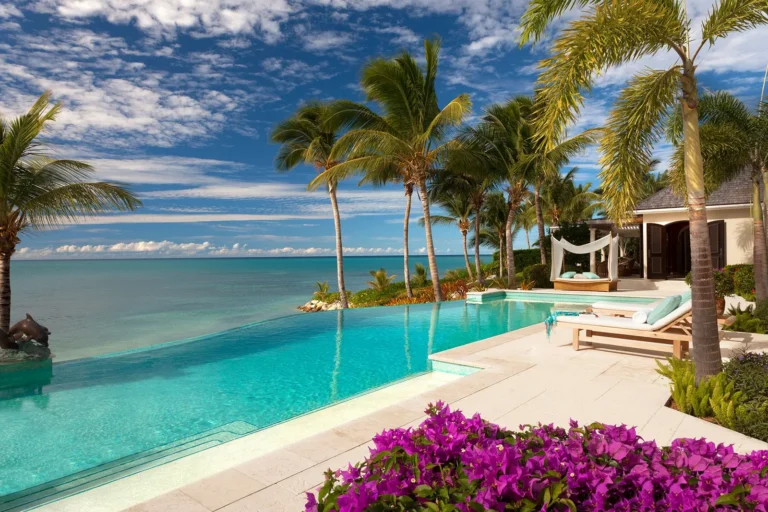
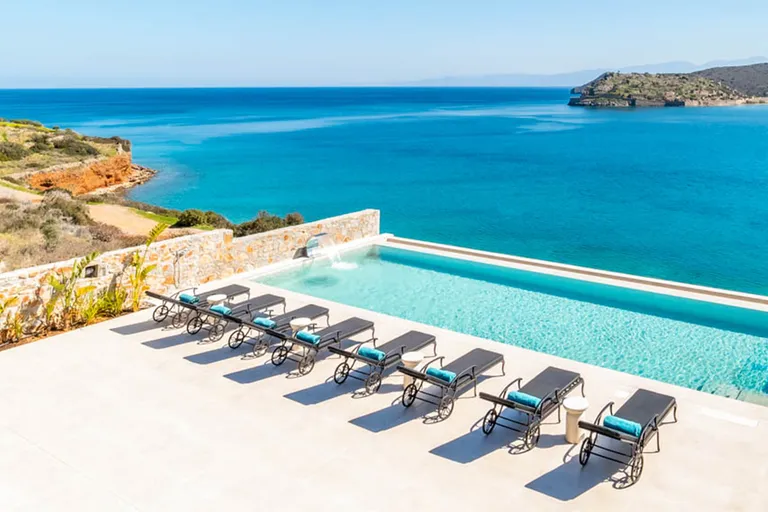
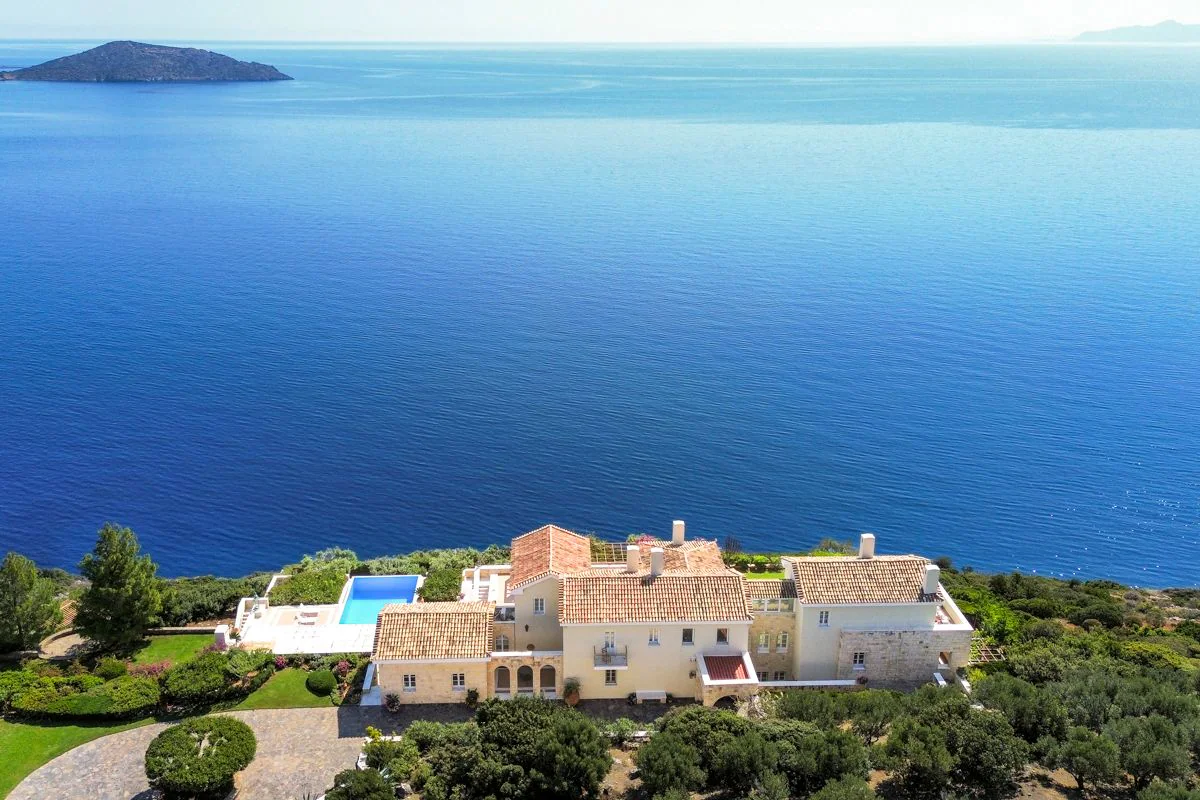
Luxury beachfront summer villas usa. The American premium coastal property market operates under a complex intersection of geography, architecture, and localized regulation. While high-end travel often emphasizes aesthetic appeal, the underlying realities of managing, acquiring, and occupying top-tier waterfront properties require analytical scrutiny. These estates are not merely leisure assets. They represent significant capital investments and intense operational challenges that vary wildly from the Atlantic seaboard to the Pacific coast.
Understanding this market requires looking beyond the glossy imagery found in standard travel brochures. A coastal property must withstand harsh environmental conditions, navigate strict local zoning laws, and meet the high expectations of discerning occupants. Each micro-market across the United States has developed its own distinct architectural language and logistical framework in response to these pressures.
Consequently, evaluating these properties requires a systematic approach. One must consider structural integrity, regional environmental risks, and the logistical pipelines that support daily operations. This article provides an analytical examination of the premium waterfront estate sector, offering a clear framework for renters, buyers, and asset managers who require deep operational knowledge.
Understanding “luxury beachfront summer villas usa”
The phrase luxury beachfront summer villas usa encompasses a diverse range of high-value residential properties situated on American coastlines. However, standard industry marketing often oversimplifies this sector by focusing solely on visual elements like infinity pools and panoramic windows. In reality, a premium waterfront villa is defined by its structural resilience, private geographical positioning, and the seamless integration of hospitality-grade infrastructure.
A common misunderstanding is treating coastal real estate as a uniform asset class nationwide. An estate capable of withstanding the sub-zero winter temperatures and nor’easters of New England requires completely different engineering than a property built for the tropical humidity and hurricane vectors of South Florida. Mistaking architectural aesthetic for structural suitability frequently leads to catastrophic maintenance failures and unexpected depreciation.
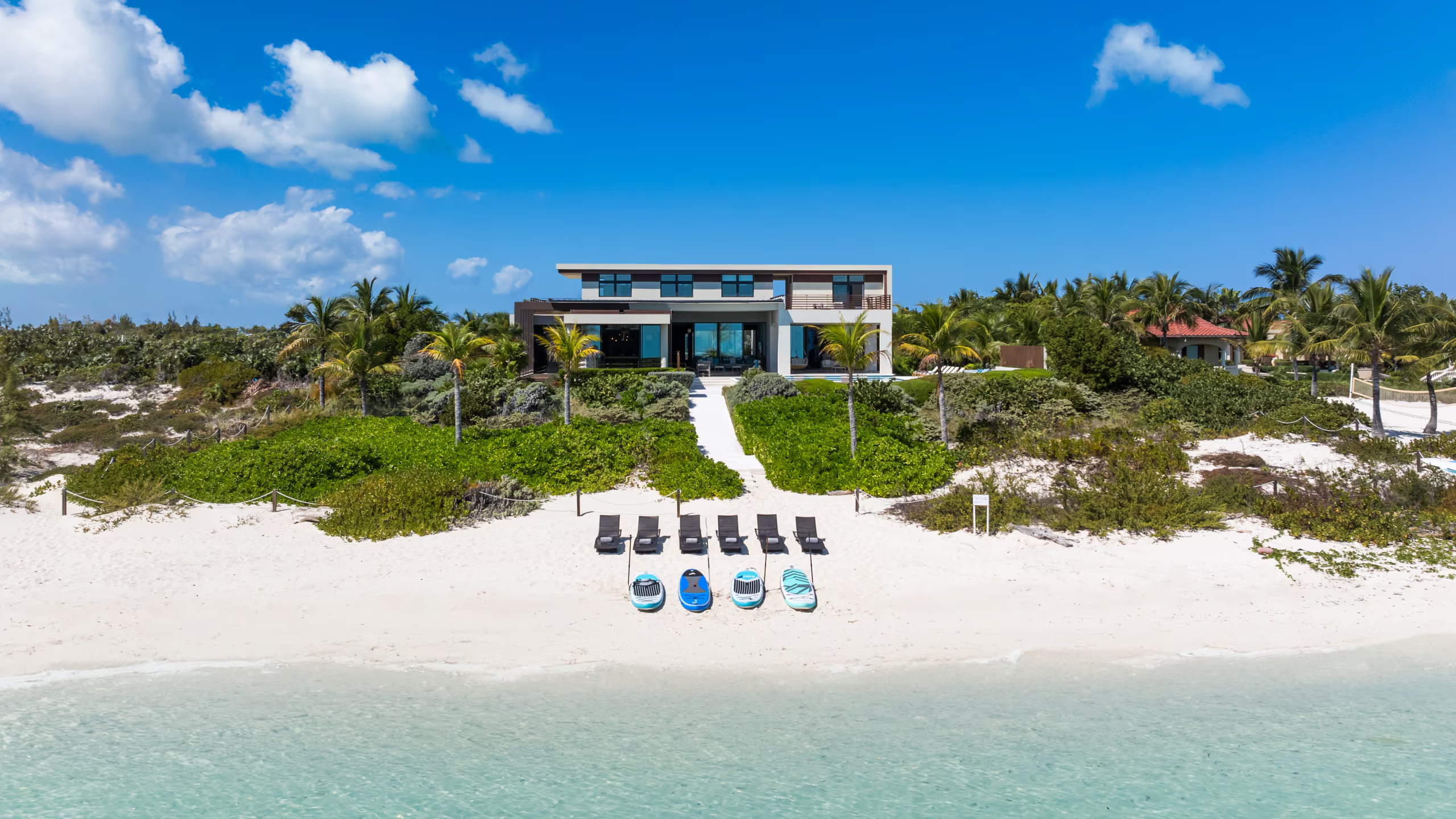
Furthermore, true luxury in this segment is defined by operational autonomy. High-net-worth occupants usually expect complete privacy and uninterrupted utility services. This requires properties to feature redundant power systems, commercial-grade water filtration, and sophisticated physical security perimeters. When these systems are absent, a villa transitions from a premium sanctuary to an operational burden, regardless of its interior decoration.
Historical and Environmental Evolution of Coastal Estates
The Gilded Age Foundations
The concept of the dedicated summer estate in the United States emerged prominently during the late nineteenth century. Wealthy industrialist families sought relief from urban heat centers, establishing seasonal enclaves along the Northeast coast. Newport, Rhode Island, became the archetype for this movement, where monumental shingle-style and Italianate “cottages” were constructed. These properties were designed not just for leisure, but as structural manifestations of socio-economic status, built with thick masonry to endure Atlantic storms.
Mid-Century Modernism and Pacific Expansion
Following the Second World War, the development of premium coastal properties shifted westward and southward. The rise of California’s elite driven by the entertainment and aerospace industries fostered a new architectural philosophy. In places like Malibu and Carmel-by-the-Sea, heavy stone was replaced by post-and-beam timber construction, expansive glass elements, and open floor plans. This era integrated the natural landscape directly into the living spaces, adapting building footprints to steep coastal bluffs and sandy shorelines.
The Contemporary Climate Resilience Era
In the current market, the design of high-end coastal properties is dictated by environmental dynamics and regulatory compliance. The Federal Emergency Management Agency (FEMA) guidelines, along with updated state building codes, have fundamentally altered coastal residential architecture. Modern waterfront villas are now sophisticated engineering projects. They are frequently elevated on concrete pilings, equipped with automated storm shutters, and built using composite materials engineered to resist high-velocity wind and salt-induced oxidation.
Analytical Frameworks for Property Evaluation
To accurately assess the viability and value of premium coastal properties, asset managers and investors utilize specific analytical mental models. These frameworks help quantify elements that are often dismissed as subjective variables.
The Coastal Exposure Index (CEI)
This model evaluates a property’s vulnerability based on its precise geographic positioning. The framework analyzes variables such as distance from the mean high-water mark, elevation above sea level, and local dune topography. A property with a high aesthetic score but a dangerously high CEI will demand exponential increases in capital expenditure for structural maintenance and insurance premiums.
The Operational Autonomy Score (OAS)
This framework measures a villa’s capacity to function independently of municipal infrastructure during environmental stress or systemic utility failures.
The primary limitation of the OAS framework is that achieving total autonomy often conflicts with local environmental preservation laws, which may restrict large fuel storage tanks or major solar installations on protected dunes.
The Architectural Authenticity vs. Utility Model
This mental model maps a property’s historic or artistic value against its modern functional utility. For example, a classic 1920s Mediterranean Revival estate in Palm Beach possesses significant historic prestige. However, its original layout may lack the expansive, light-filled spaces desired by contemporary occupants. Modifying these structures to install modern HVAC systems and smart-home technology without destroying their historical character represents a significant engineering challenge.
Regional Typologies and Architectural Classifications
The architectural landscape of high-end coastal properties across the United States is highly fragmented, with distinct structural solutions emerging in different geographic regions.
New England Shingle Style
Dominant in Nantucket, Martha’s Vineyard, and Cape Cod, this style features continuous wood-shingled surfaces, asymmetrical facades, and extensive verandas. Structurally, these buildings rely on heavy timber framing designed to flex slightly under the pressure of severe winter gales. The natural cedar shingles weather over time to a silver-grey hue, providing a protective, low-maintenance exterior barrier against salt-laden air.
Floridian Anglo-Caribbean and Mediterranean Revival
Found throughout Palm Beach, Naples, and the Miami keys, these estates prioritize heat mitigation and hurricane resistance. Structures are typically constructed using reinforced concrete block covered in stucco, featuring high ceilings and deep loggias to encourage natural convective cooling. Roofs are clad in heavy barrel tiles, and windows are universally composed of multi-layered laminated impact glass designed to withstand missile-like debris during tropical storms.
Pacific Organic Modernism
Characterizing the coastlines of Malibu, Big Sur, and the Oregon shores, this approach emphasizes integration with native topography. Architects use materials like raw concrete, core-ten steel, and native redwood. These structures often feature cantilevered decks suspended over ocean bluffs. Engineering models here focus heavily on seismic stability and deep foundation anchoring into subterranean bedrock rather than sand dunes.
The Gulf Coast Raised Villa
In regions like Kiawah Island, South Carolina, down through the Gulf Coast, properties are heavily influenced by the Lowcountry aesthetic. These homes are intentionally elevated on columns to allow storm surges to pass underneath without destroying the main living areas. The ground floor spaces are constructed with breakaway walls, designed to collapse under severe hydrodynamic pressure to preserve the integrity of the primary load-bearing columns.
Operational Scenarios and Structural Realities
To understand the true nature of operating luxury beachfront summer villas usa, we must examine realistic case studies that highlight the intersection of high-end hospitality and environmental management.
Scenario A: The Remote Island Compound (Northeast Coast)
An investor acquires a private island estate off the coast of Maine, featuring an expansive shingle-style main villa. The property serves as a multi-generational summer retreat.
-
Logistical Constraints: Access is limited to watercraft or helicopter. All supplies, fuel, and maintenance personnel must be budgeted through a marine transport pipeline.
-
Operational Decision Point: The local power grid experiences frequent summer dropouts due to mainland mainland overloads. The management team must choose between installing a large-scale lithium-ion battery storage farm or a diesel generator backup system.
-
Failure Mode: The team selects diesel generators but fails to account for strict local marine fuel transport regulations. A fuel delivery delay during an extended grid outage causes the villa’s climate control systems to shut down, leading to rapid moisture buildup and the ruination of interior woodwork.
-
Second-Order Effects: The humidity spike ruins museum-grade artwork stored within the estate, triggering complex insurance claims and requiring specialized humidity-remediation teams to be flown in at immense expense.
Scenario B: The Malibu Bluff Stabilization (West Coast)
A contemporary steel-and-glass villa sits on a premier oceanfront parcel in Malibu, positioned on a steep coastal bluff overlooking the Pacific Highway.
-
Logistical Constraints: The site is highly restricted by the California Coastal Commission, banning any construction that alters natural bluff faces without extensive environmental reviews.
-
Operational Decision Point: Continuous wave action undermines the lower toe of the bluff, threatening the structural integrity of the seaward infinity pool deck. The owner must choose between an emergency tie-back anchor installation or a complete structural retreat, moving the pool inland.
-
Failure Mode: The owner opts for a lower-cost, unpermitted shotcrete patch to stabilize the immediate erosion area. A wet winter season causes water to pool behind the non-porous concrete patch, increasing hydrostatic pressure until a major section of the bluff shears off.
-
Second-Order Effects: The landslide triggers an emergency closure of the public highway below. The city issues a mandatory evacuation and condemns the villa until millions of dollars in engineered deep-foundation underpinning can be completed.
Financial Dynamics, Hidden Costs, and Resource Allocation
The capital requirements for premium coastal villas extend far beyond the initial purchase price or seasonal lease rate. Operating a high-end property directly on the shoreline involves an ongoing financial commitment driven by accelerated environmental wear.
Direct vs. Indirect Costs
Direct operational costs include specialized windstorm insurance policies, dune maintenance fees, and private security details. Indirect costs are often harder to project, such as the rapid depreciation of mechanical systems. Standard residential air conditioning condensers that normally last fifteen years in inland environments frequently fail within three to five years on the beach due to salt air oxidation of the aluminum condenser fins.
Premium Insurance Realities
Insurance for homes valued above ten million dollars on open coastlines is no longer an automated process. Carriers often require comprehensive structural engineering reports and wind-mitigation certificates. Deductibles for wind and hail damage are frequently structured as a percentage of the property’s total insured value rather than a flat dollar fee. A 5% storm deductible on a $20,000,000 villa requires the owner to cover the first $1,000,000 of damage out of pocket.
Structural Systems, Materials, and Professional Support
To minimize the environmental degradation inherent to coastal environments, builders of premium beachfront villas must rely on advanced materials science and robust support frameworks.
Advanced Metallurgy in Coastal Building
Standard galvanized steel fasteners will corrode rapidly when exposed to a marine environment. High-end coastal construction requires marine-grade 316 Stainless Steel or titanium alloys for all exposed structural connections, flashing, and door hardware. These metals contain molybdenum, an element that increases resistance to pitting and crevice corrosion caused by chloride ions in seawater.
Smart Glazing Technology
Modern beachfront architecture relies heavily on sweeping ocean views, which presents a challenge for thermal efficiency and storm protection. Premium villas utilize multi-layered laminated glass assemblies containing an internal polyvinyl butyral (PVB) interlayer. This interlayer holds the glass sheets together even if shattered by flying debris, maintaining the home’s atmospheric envelope and preventing pressure drops that can rip roofs off structures during hurricanes.
Specialized Human Infrastructure
Managing these estates requires a team of specialized professionals. A general property manager is rarely sufficient. Instead, operations require marine engineers for dock structures, coastal agronomists to maintain protective dune vegetation, and commercial HVAC technicians who understand complex indoor air pressurization models designed to keep salt air out of living spaces.
Risk Landscape, Degradation Mechanics, and Mitigations
The interface between sand, sea, and atmosphere creates an environment hostile to man-made structures. Managing a premier summer villa requires clear knowledge of these distinct degradation pathways.
Mechanics of Galvanic Corrosion
Galvanic corrosion occurs when two dissimilar metals make physical contact in the presence of an electrolyte, such as salt-laden humid air. For example, if a contractor secures an aluminum window frame using standard steel screws, an electrical circuit is inadvertently created. The aluminum will rapidly sacrifice itself, corroding at an accelerated rate, which ultimately leads to structural seal failure and water penetration.
The Problem of Concrete Efflorescence and Spalling
In poured concrete structures, airborne salt water can penetrate porous masonry surfaces over time. Once inside, the water evaporates, leaving behind salt crystals that expand within the concrete pores. This internal pressure causes the concrete surface to crack and peel, a process known as efflorescence. If left unmanaged, the salt reaches the internal steel rebar, causing it to rust, expand, and fracture the concrete from the inside out, which risks structural failure.
Asset Governance, Maintenance Protocols, and Long-Term Adaptation
Preserving the value and function of luxury beachfront summer villas usa over multiple decades requires a shift from reactive repairs to predictive maintenance schedules.
Predictive Inspection Cycles
A sophisticated maintenance program employs thermal imaging and drone monitoring to detect hidden failures before they manifest visually. Handrails, balconies, and roof junctions should undergo seasonal non-destructive testing to find subsurface structural hollows. Waiting for water stains to appear on interior ceilings usually means the structural damage has already progressed through multiple interior layers.
Performance Metric Evaluation and Quality Tracking
To maintain high standards of operation, asset managers use both qualitative and quantitative indicators to track the physical health of a premium coastal estate.
Leading vs. Lagging Performance Indicators
A lagging indicator would be the cost of replacing an oxidized HVAC system. A leading indicator, by contrast, is the daily drop in air pressure across the villa’s air filtration system. By tracking leading indicators, management can replace sacrificial protective filters before salt air enters the secondary mechanical loops, extending the operational lifespan of core infrastructure components.
Documentation and Asset Logging Records
Every piece of maintenance work should be logged inside a digital building information management system. These files should capture exact material specifications, warranty certificates, and the specific names of technicians who performed the work. When high-net-worth buyers evaluate these assets, a verified, unedited log of historical maintenance can significantly preserve the property’s market valuation.
Example Asset Logs
-
Log Entry 042: Systemic flush of all exterior balcony drain lines. Confirmed clear of sand blockage. Marine grade sealant reapplied to all exposed fasteners on the south-facing deck.
-
Log Entry 089: Core sample analysis of ocean-facing retaining wall. Core depth testing shows zero salt crystallization at reinforcement depth.
-
Log Entry 115: Replacement of sacrificial zinc anodes on the lower boat lift frame. Current consumption rates match standard seasonal models.
Deconstructing Prevailing Industry Misconceptions
The marketing surrounding high-end coastal properties often promotes several myths that can lead to poor investment and operational decisions.
The Infallibility of Hurricane-Rated Glass
A common misconception is that installing impact-rated windows removes all risk of storm damage. While these window assemblies excel at preventing debris from puncturing the glass panel, they do not guarantee permanent protection against water leaks. Sustained hurricane-force winds can flex window frames just enough to break the surrounding sealant bonds. This allows water to enter the wall cavities without breaking the glass itself.
The Permanence of Private Beaches
Brochures frequently advertise properties featuring a “permanent private beach.” Geologically, beaches are dynamic, shifting structures that are constantly in motion. A single major storm can erode dozens of feet of sand overnight, shifting the mean high-water mark inland and shrinking the property’s usable acreage. Relying on municipal sand replenishment programs is often a poor strategy, as these projects face complex bureaucratic delays and environmental funding debates.
Ethical Land Use and Environmental Considerations
The construction and occupancy of large premium villas on primary dunes raises complex ecological questions. These projects often directly alter fragile coastal ecosystems that serve as natural defenses for broader inland areas.
Disruption of Sand Transport Corridors
When a massive concrete villa foundation is built directly on a coastal dune, it fixes a landscape that naturally needs to move and shift. This disrupts the lateral transport of sand along the shoreline, often accelerating erosion on neighboring properties. Responsible modern designs avoid solid seawalls, opting instead for open piling foundations that allow wind and water to move sand naturally beneath the building structure.
Impact on Local Wildlife Habitats
High-intensity coastal properties can introduce substantial light pollution, which poses threats to endangered sea turtle populations during nesting seasons. Many coastal municipalities now enforce strict lighting ordinances. These rules require ocean-facing windows to feature low-transmittance coatings (often referred to as turtle glass) that block interior light from reaching the beach, ensuring nesting turtles are not disoriented.
Synthesis of Premium Coastal Asset Management
Successfully navigating the market for luxury beachfront summer villas usa requires balancing design appreciation with operational discipline. These properties represent a historic tradition of coastal leisure, yet they remain exposed to harsh environmental forces. Whether leasing a villa for a single season or managing a permanent family property portfolio, success depends on proactive maintenance and structural oversight.
Ultimately, long-term property preservation is achieved by working with the coastal environment rather than trying to force it into submission. By utilizing advanced materials, respecting local ecosystems, and maintaining strict engineering standards, these properties can endure as valuable assets for decades. True luxury lies in structural resilience, ensuring peace of mind even when facing the elements.